DAAYTA 2026: Qiqi Farms Global Ltd Emerges Winner

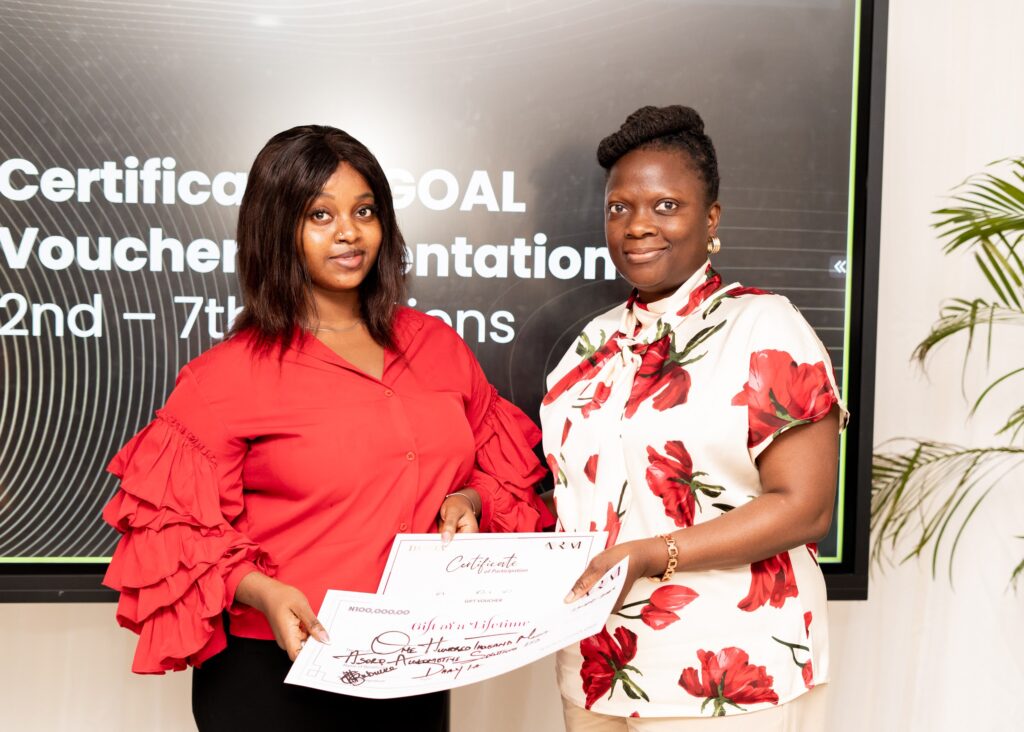
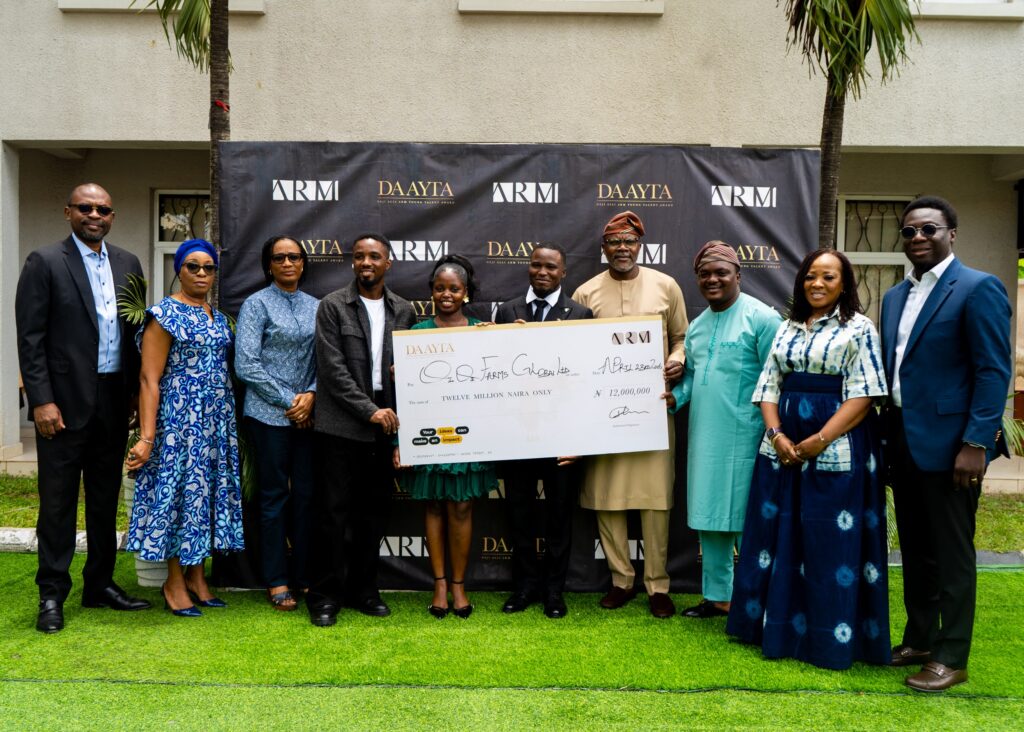
The 11th anniversary edition of the Deji Alli ARM Young Talent Award (DAAYTA) concluded with a distinguished celebration of Nigeria’s entrepreneurial prowess. Favour Okikijesu Adeleke, founder of Qiqi Farms Global Ltd, was officially awarded the title of winner for DAAYTA 2026 during a virtual ceremony held on April 17, 2026. This prestigious edition successfully convened a dynamic cohort of young entrepreneurs dedicated to addressing Nigeria’s critical challenges across agritech/agribusiness, technology, energy, and green transportation sector.

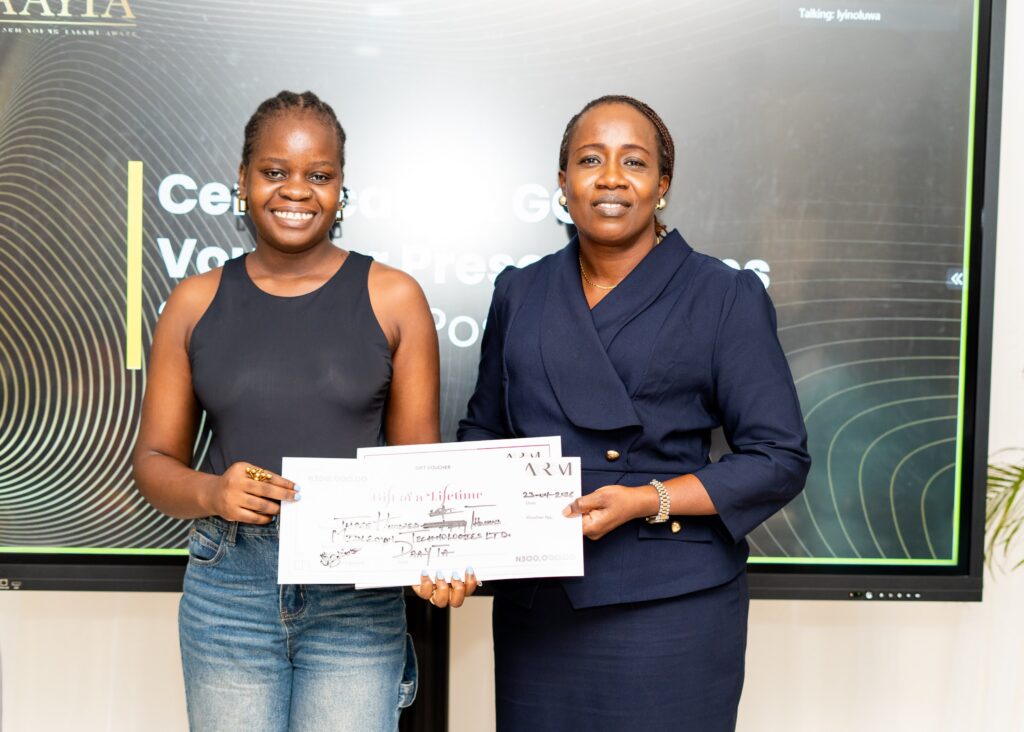
Qiqi Farms Global Ltd impressively stood out during the selection process by emphasising sustainability. QiQi Farms is a technology-driven agritech and food distribution company transforming Africa’s food systems by connecting over 2,000 smallholder farmers to premium local and international markets. Over the past three years, the company has supplied 396 metric tons of fresh produce to more than 50 hospitality businesses across Nigeria, Europe, and North America, leveraging cold chain infrastructure to ensure traceability, reduce post-harvest losses by up to 50%, and guarantee farmer payments within 24–48 hours, while driving sustainable rural economic growth through globally aligned best practices.

The finalists of DAAYTA 2026 represent the immense potential of Nigeria’s youth-led innovation in diverse sectors:

  • Hadi Finance – Unlocking inventory financing for small and medium-sized retailers.
  • Midddleman – Enabling secure cross-border trade with trusted procurement, payments, and logistics from China.
  • TFS Cargo Bicycles – Building affordable electric cargo mobility solutions for underserved communities.
  • Asoro Automotive – Driving smarter mobility with AI-powered vehicle diagnostics and fleet management.
  • Venth Ventures Limited – Pioneering sustainable food products and biodegradable alternatives to single-use plastics.
  • Genesis360 – Simplifying food financing for individuals and businesses across Africa.

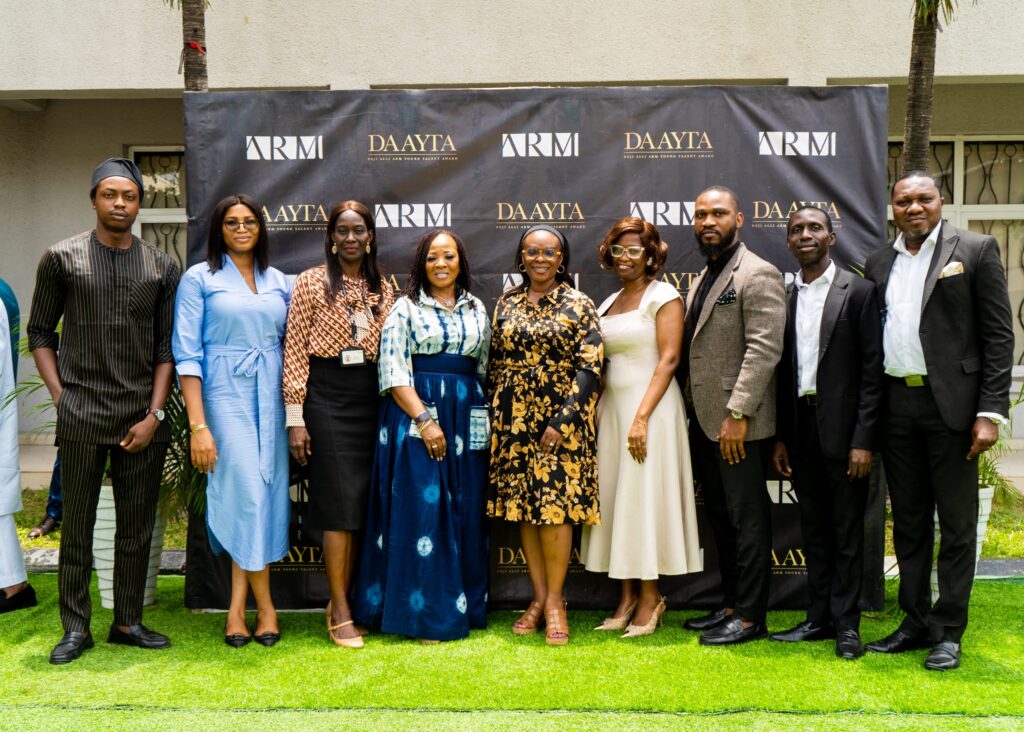
In celebrating the 11th anniversary of DAAYTA, Wale Odutola, CEO of ARM, extended his congratulations to Favour Okikijesu Adeleke and all of the finalists for their remarkable solutions, which held the promise of making a lasting impact. He reaffirmed ARM’s commitment to fostering the next generation of entrepreneurs, whose innovations are poised to shape the future landscape of Nigeria.

The DAAYTA program transcends the notion of a mere award; it epitomizes ARM’s vision to cultivate a vibrant entrepreneurial ecosystem. This year’s event, a significant milestone in the program’s evolution, further highlights the vital role of collaboration and innovation in driving transformative change. As the program continues to evolve, it serves as a powerful catalyst for showcasing the potential of Nigeria’s emerging leaders and the vast opportunities that await in the future.
About ARM

Founded in 1994, Asset & Resource Management Holding Company Limited (ARM) is one of Nigeria’s leading non-bank financial institutions. With a legacy of innovation and trust, ARM offers a broad range of asset management and investment solutions for individuals, corporates, and institutions.

Navigating Volatility: The Case for Nigerian Equities in Q2 2026

Navigating Volatility: The Case for Nigerian Equities in Q2 2026.

Midway through Q2 2026, Nigerian investors are confronting a familiar cocktail. Inflation ticked up to 15.38% in March, ending an eleven-month disinflation streak. The naira has stabilized within a managed range, but reserves have eased back from their February peak. The central bank meets again on 19 and 20 May. The instinct, after a 56% year-to-date rally on the Nigerian Exchange, is to take profits, retreat into T-Bills, and wait for something to feel safer. This instinct is understandable and deeply human.

But nothing will change while you wait, and waiting itself will cost you.

The Illusion of Safety

Fixed-income instruments are not a true shelter from inflation. They are, at best, a slower way of holding ground. The 364-day Treasury Bill currently yields 16.15% against headline inflation of 15.38%, leaving a real yield of roughly 77 basis points. On paper, that is positive. In practice, when you account for naira-dollar pressure, reinvestment risk, and the opportunity cost of capital, the buffer is thin. Every naira parked at this level is, at best, preserved. It is not compounding wealth at the rate this market is otherwise creating it.

Volatility, by contrast, is not the enemy of returns. It is the mechanism by which returns are generated. Price dislocations, the kind we are still seeing across pockets of the Nigerian Exchange even within an overall bull tape, are precisely what create the conditions for intelligent investors to acquire quality assets at sensible valuations. The market is not a warning to leave. It is an invitation to look harder.

Where the Value Lives

Not all sectors are navigating this environment equally. Four areas warrant particular spotlight.

Nigerian Tier-1 banks are positioned more favorably than the noise suggests. The CBN’s recapitalization exercise concluded successfully in March, removing an overhang that weighed on sentiment for most of last year. The FY2025 dividend season has confirmed which institutions translated higher rates into shareholder returns. GTCO declared a total dividend of ₦12.76 per share for 2025, a 58.9% increase year-on-year, which equates to a yield of approximately 9.2% at current prices. Zenith Bank declared ₦10.00 per share, a 100% increase, equating to about 7.7%. The split with peers that took heavier forbearance provisions is real and worth understanding, but for the names that delivered, dividend support of this scale alongside continued capital appreciation potential is genuinely attractive. These are not positions to exit. They are positions to consider building.

Industrial Goods have been a standout story of 2026, with the index effectively doubling year-to-date on the back of infrastructure demand and pricing discipline among the cement majors. Dangote Cement, which recently declared a ₦45.00 per share dividend, and BUA Cement, which proposed ₦10.00, illustrate the income case alongside capital appreciation. The sector has run hard, so entry discipline matters more than it did at the start of the year.

Then there is telecoms and digital infrastructure. Nigeria’s transition to a digital economy is not a trend subject to macroeconomic cycles. It is structural, and it is accelerating. This sector offers something rare in volatile periods: defensive characteristics with embedded growth. That combination is difficult to find anywhere else on the board.

Rebalance, Don’t React

The greater risk in this market is not volatility. It is FOMO. With the All-Share Index up 56% year-to-date, the gravitational pull is toward chasing names that have already run hard, doubling down on what worked in Q1, and treating every new high as an entry point. That is how investors give back gains.

Market breadth has actually been broadly healthy. On most recent sessions, advancers have outnumbered decliners. What the market is, instead, is rotational. On 5 May, the index fell ₦904 billion in a single session yet 46 stocks rose against 26 that fell. That is not panic selling. That is institutional money reallocating from names that have run into names with more room. The investors who participate intelligently in that rotation will compound. The investors who chase the prior leaders will pay for it.

The discipline that matters in the rest of Q2 is therefore not about staying out of the market. It is about three habits. Rebalance regularly: if a position has appreciated to where it now dominates your portfolio, trim it and redeploy. Resist FOMO: the names making headlines today are the ones that already moved. So, enter carefully. Manage risk explicitly: position sizing, sector concentration limits, and an honest view of how much volatility you can absorb without panic-selling matter more than any single stock pick. This is where active, research-driven management earns its place in a portfolio.

Staying the Course

Volatility is not a malfunction of emerging markets. It is a feature of them, one that rewards patience and penalizes panic in roughly equal measure. The investors who will look back on Q2 2026 with satisfaction are not those who waited for certainty. Certainty follows returns.

Carefully review your portfolio. Resist emotional repositioning. And ensure that whoever is navigating this market on your behalf has a framework, not just a feeling.

Originally published on The Cable

ARM Africa Trade Finance Fund CEO Speaks on Financing Africa’s Development at GTR West Africa 2026

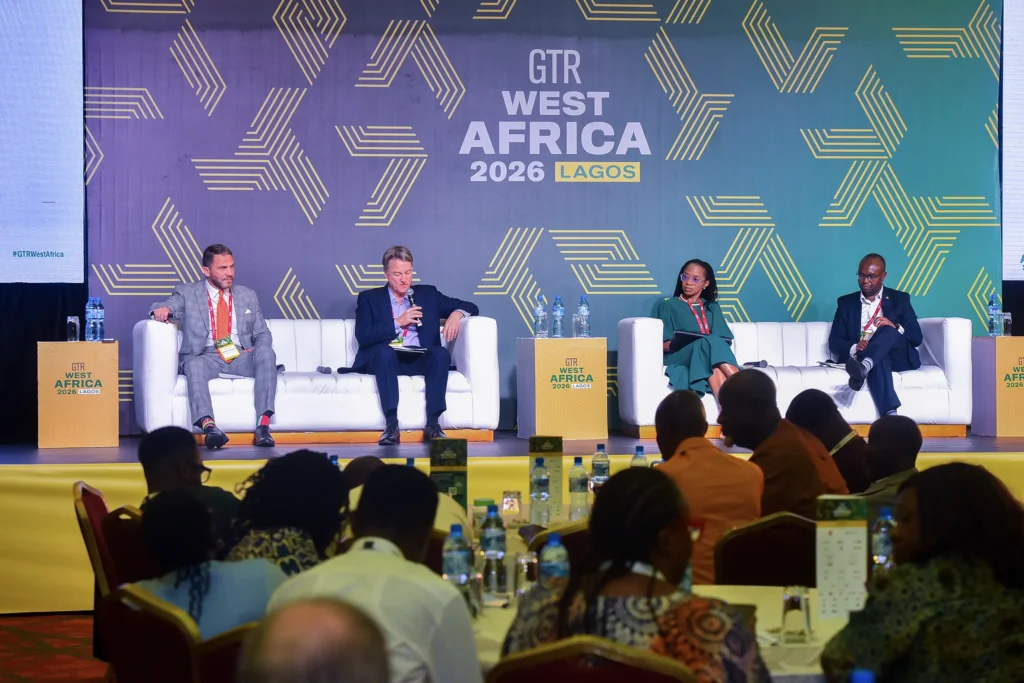
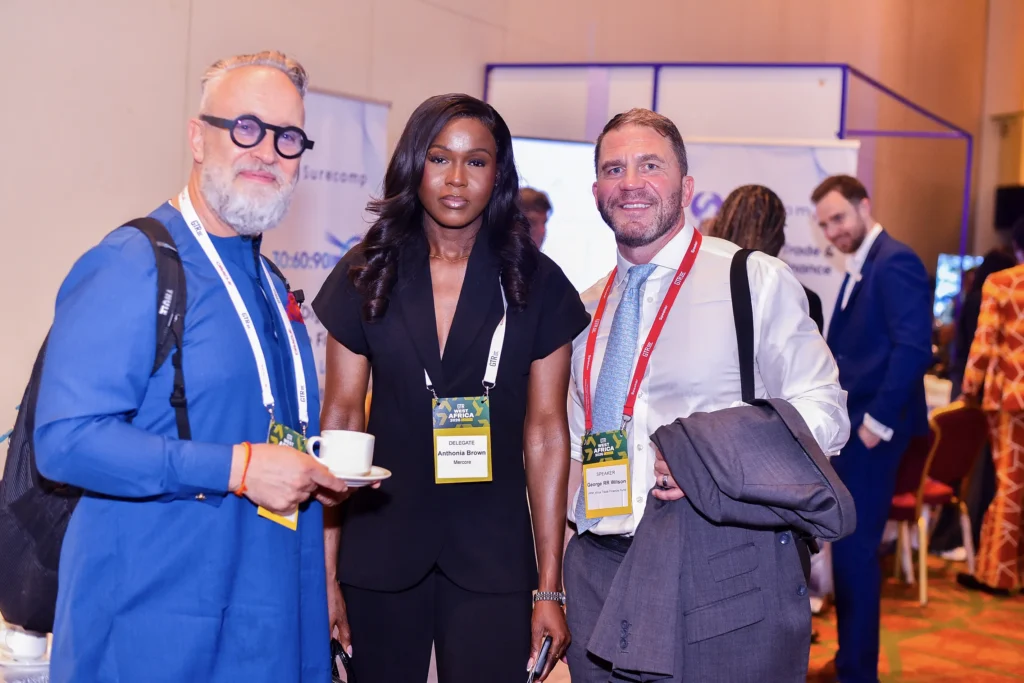
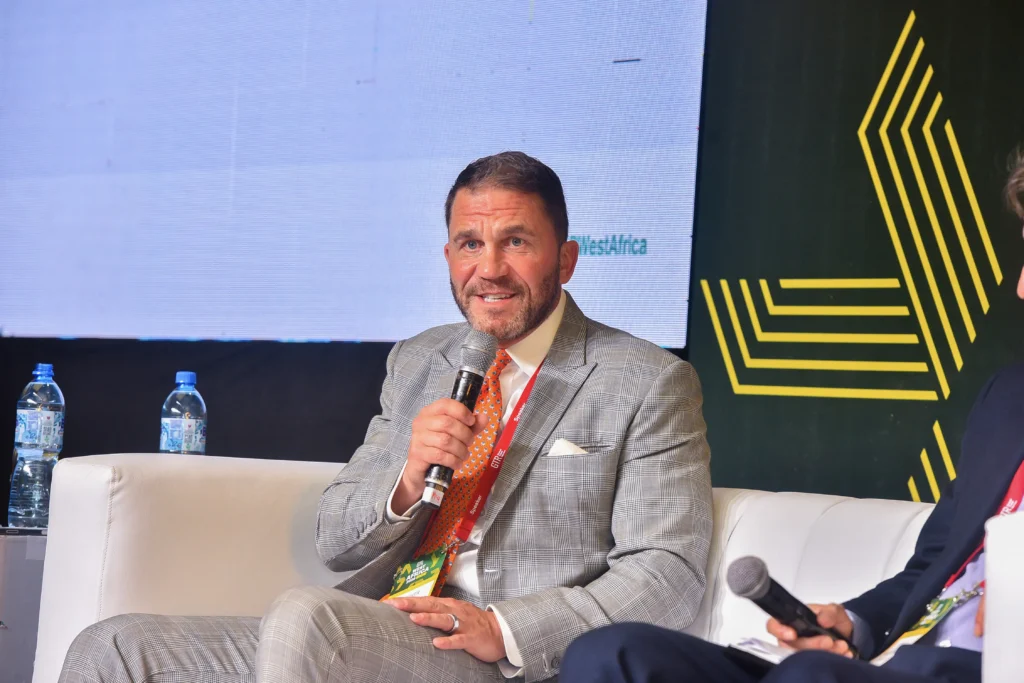
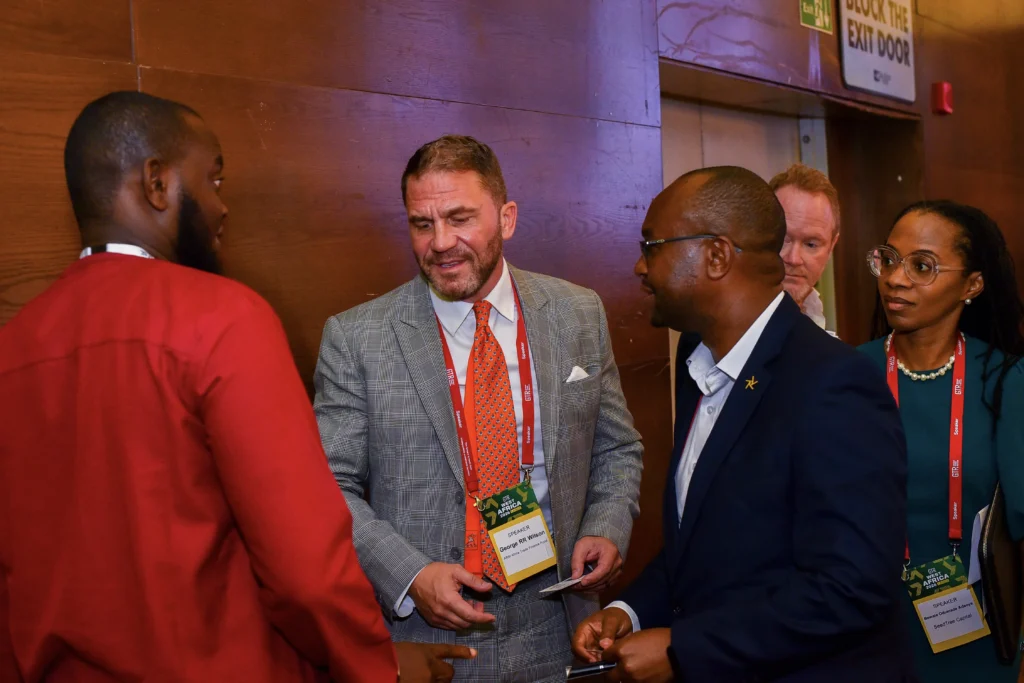
On behalf of ARM, George Wilson, CEO of ARM Africa Trade Finance Fund, participated in a panel discussion at the Global Trade Review (GTR) West Africa 2026 in Lagos, focused on “Trade finance assets, African financial institutions, and domestic capital: Funding the next phase of Africa’s development.”

The session brought together industry leaders to examine how Africa can better mobilise its own capital to drive sustainable, trade-led growth. As liquidity constraints continue to shape global markets, the role of trade finance as an alternative asset class is becoming increasingly critical—not only in unlocking institutional capital, but in supporting real sector growth across the continent.

George highlighted the importance of deepening local capital pools, strengthening collaboration between financial institutions, and deploying innovative fund structures that can effectively channel capital into trade. He also emphasised the opportunity to leverage regulatory frameworks, such as pension fund reforms, to unlock domestic liquidity at scale.

At ARM, this work is central to our broader commitment to developing investment solutions that bridge capital gaps, support businesses, and drive long-term economic growth. Through platforms such as the ARM Africa Trade Finance Fund, we continue to play an active role in structuring and deploying capital into sectors that are critical to Africa’s development.

As conversations evolve into action, the focus remains clear: building resilient financial ecosystems, mobilising domestic and international capital, and enabling trade as a key engine for growth across Africa.