Smart lifestyle tips for retirees

Smart lifestyle tips for retirees

One of the ways to enjoy a comfortable retirement is by engaging in a chain of healthy behaviors that eventually form a lifestyle that enables you to thrive every single day.

As your partner invested in your tomorrow, it is our duty to keep providing you with tips that help you make the most of your retirement.

These 4 tips will help improve your lifestyle.

  1. Keep active

Find ways to stay active and keep fit each day. Consider activities that you enjoy which maintains strength, balance and flexibility while promoting cardiovascular health. Physical activity helps you stay at a healthy weight, prevent or control illness, sleep better, move better, reduce stress, avoid falls and feel and look better.

  1. Eat well

When you eat nutritious foods in the right amounts, you not only stay heathier, but you also ward off many illnesses like heart diseases, obesity, high blood pressure, type 2 diabetes and more.

  1. Prevent falls

We become vulnerable to falls as we get older. Prevent falls and injury by keeping paths clear of electrical cords and clutter, removing slippery rugs or carpets, cleaning up spilled liquids and using nigh lights in the hallways and bathrooms. When moving about, choose footwears with good support and strong under-foot grip to avoid slipping.

  1. Go for regular check-ups

By age 50, women should begin mammography screening for breast cancer while from age 40, men should check for prostate cancer. Make sure you don’t skip health checkups and use these visits to discuss any other health concerns you may have with your doctor.

 For more tips to enjoy your retirement, visit www.armpension.com/blog

The post Smart lifestyle tips for retirees appeared first on Realising Ambitions.
Stages of retirement planning

Stages of retirement planning

Now that we’ve looked at what retirement planning is and the benefits of retirement planning, it is pertinent that we explore some guidelines for successfully planning your retirement at different stages of your life.


Young Adulthood (21-35 years old)


If you fall into this age bracket, you have sufficient time to let your investments mature which is an important and valuable factor in retirement planning. The reason for this is that you enjoy the benefits of compound interest which allow your retirement savings to earn interest and that interest to earn even more interest. This means that the more time your retirement savings stays before you retire, the more interest you will earn.


If for instance, you make additional voluntary contributions of N20,000 monthly in your retirement savings to match what your employer contributes, it will be worth three times more if you invest it at age 25 than if you wait to start investing at age 45 – that’s the beauty of compounding.


Early midlife (36-50 years old)


At this time in your life, even though you may have some number of financial responsibilities to bear, chances are you may have climbed a bit higher up the career ladder with some extra income as well, hence it is critical that you continue saving at this stage of retirement planning. The combination of earning more and the time you still have to invest and enjoy compound interest makes these years some of the best for aggressive savings.


Consider bumping up your additional voluntary contributions now as well to ensure that you have enough to fund the lifestyle you desire when you retire.


Later midlife (50-65 years old)


While time is running out to save for most people at this stage of retirement planning, the possibility of receiving higher wages due to career climb and having paid off some weighing debts can provide more disposable income to invest.


This is also the time to be frugal with expenses if you haven’t saved a lot for retirement or create periodic budgets to manage all that you’ve accumulated to ensure that you don’t outlive your money.


Whatever stage you are now in the retirement planning life cycle, you can speak to us about your retirement concerns via [email protected] or 0700 CALL ARM.

The post Stages of retirement planning appeared first on Realising Ambitions.
This thing called retirement!

This thing called retirement!

Retirement is that time of life when a person chooses to permanently leave the workforce behind. In Nigeria, the average retirement age for those in the public sector varies between 55-60 years while some retirees who are fit and healthy often opt for a private employ when they retiree to either keep busy or meet up with expenses.


Retirement can last for decades these days due to increased life expectancy and typically consists of multiple phases.


Phases of retirement


According to Late sociologist Robert Atchley who was around in the 1970s, retirement can come in six phases.


  1. Pre-retirement: This is the planning phase where a person starts to think seriously about the life they want for themselves in retirement and whether they’re financially on track to achieve it.


  1. Retirement: This phase is the transition from full-time work to retirement.


  1. Contentment: This is a happy phase where the retiree enjoys the fruits of their lifetime hard work. People call it the honeymoon period and if the retiree saved enough money, this phase could last a lot longer.


  1. Disenchantment: Once the honeymoon phase is over, some retirees may experience some of the emotional downsides of retirement like loneliness, disillusionment, and a feeling of uselessness.


  1. Reorientation: When in this phase, people try to understand who they are at that moment and figure out their place in the world as a retiree.


  1. Routine: During this phase, retirement now becomes more familiar, and one tends to accept their situation and settle into a new set of routines. For some, this means discovering a new sense of purpose and taking advantage of the opportunity to enjoy life; for others who didn’t save enough and need to supplement their income, it can mean getting a part-time job.


Retirement in olden-day Nigeria


Not many people in Nigeria had grand or great grandparents who planned for retirement. It is typical to see children being the retirement plan for a certain number of aged parents who once they get to a certain age, depend solely on their children for their financial needs.


It can be argued that back then most of our parents didn’t do blue-collar jobs that allowed them to have a pension plan and that entrepreneurship was not as lucrative due to the absence of the technology that is available today to enable traders to save ahead. However, that argument may still be shaky considering that only a small percentage of Nigerians consider the benefits of saving for retirement.

Retirement in present-day Nigeria


Today, while some Nigerians are still stuck in the age-old mentality of expecting their children to be their retirement plan, more Nigerians are taking retirement more seriously.


Nigerians who are employed in public and private sectors have the mandatory contributory pension scheme which is a combination of deductions made from their salary matched with their employer’s contribution into their retirement savings account to ensure they have something tangible to fall back to in retirement. Aside from this, more Nigerians are opting for additional contributions to their retirement savings as they look forward to a retirement where they don’t have to be financially dependent on anybody.


In the most recent past, entrepreneurs have also been given the opportunity to start saving for retirement through the Micro Pension scheme which was not previously available.


In conclusion…


Nobody likes to be a nuisance to another especially at a time in your life when you should relax and enjoy the rewards of your years of hard work. Hence, the most important part when you think of retirement should be planning – both for the financial and emotional impacts of retiring to ensure that you get a comfortable retirement.


Experts advise that as you plan for retirement, you should think about what it looks like. Talk to your friends. Write about it. Create a storyboard and be imaginative. Your financial plans and your day-to-day retirement plan should go hand in hand.


Walk into Tomorrow to plan your retirement today.

The post This thing called retirement! appeared first on Realising Ambitions.
What is Retirement Planning?

What is Retirement Planning?

Retirement planning is simply the preparation for life after employment ends. This preparation impacts all aspects of your life and not just your finances.

The aspect that doesn’t require money include lifestyle choices like how to spend time in retirement, where to live, when to completely stop working and more. A well-rounded retirement plan should consider all these areas.

However, the approach or emphasis a person puts on retirement planning changes throughout different life stages.

Early career

During this time, the emphasis should be to set aside enough money for retirement. You have the luxury of time to accumulate what you need for retirement and the benefit of compounding interest to ensure that what you set aside accumulates returns over the long-term.

Mid-career

This time, while you’re still setting money aside in your retirement savings account, you should consider ways of increasing your retirement income by setting specific income or asset targets and taking prudent steps to achieve them. Let’s assume that over the course of your career, you ‘ve had pay raises or promotions, this means you have the opportunity to increase what you put into your pension pot.

Retirement

This is the time you hang your work boots and officially go from accumulating assets to what financial planners call the distribution phase. You’re no longer paying in, instead, your years of savings start to pay out. The good news for those who have managed to accumulate enough retirement income is that they can enjoy a comfortable retirement spent pursuing their hobbies and having fun. The reverse would be the case for those whose retirement income may not be enough.

Final thoughts…

Retirement planning should start long before you retire – in fact, the sooner, the better. You must figure out how much you need to retire comfortably and then work with that magic number in mind as you save ahead for retirement.

Our Retirement Lifestyle Planner enables you to Walk Into Tomorrow, today to plan out your dream retirement. On the easy-to-use portal, you get a holistic view of how your retirement lifestyle would be and how much you’d need at every point in your retirement. This helps you total up the magic number you need to save to get the retirement your desire.

Click here to Walk Into Tomorrow and plan your dream retirement now.

The post What is Retirement Planning? appeared first on Realising Ambitions.
6 books to read on money and investing

6 books to read on money and investing

There’s a well of knowledge available for those who seek it – and if you’re interested in making more money, you should read more to understand how to handle money and the basics of investing.

Here are some books on personal finance and investment you should read to help you manage your finances better.


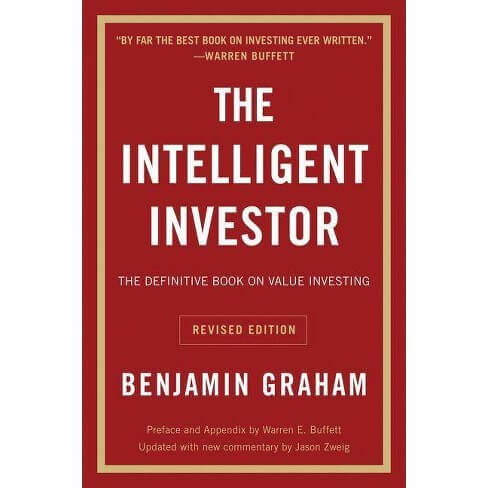
The Intelligent Investor by Benjamin Graham


Referred to as the godfather of investing, Benjamin Graham takes a different approach to investing in this book which we’re sure you’ll enjoy. Warren Buffet calls this “the best book on investing you’ll ever read”.


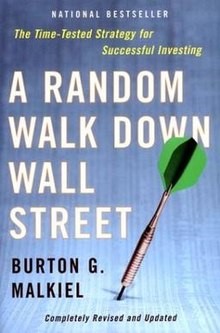
A Random Walk Down Wall Street by Burton Malkiel


This is a good one for beginners as Malkiel includes handy definitions of investment terms as it applies to various investment strategies directed toward different stages in life. In this book, he lays emphasis on long-term investments rather than get-rich-quick schemes including how to avoid common mistakes.


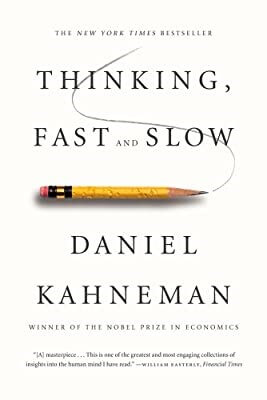
Thinking, Fast and Slow by Daniel Kahneman


This book isn’t just about investment. This Psychology professor delves into how one’s thought processes can affect investment success. Within the book, Kahneman explains how to identify your biases and lock them out so as to make rational, clear, and analytical investment decisions.


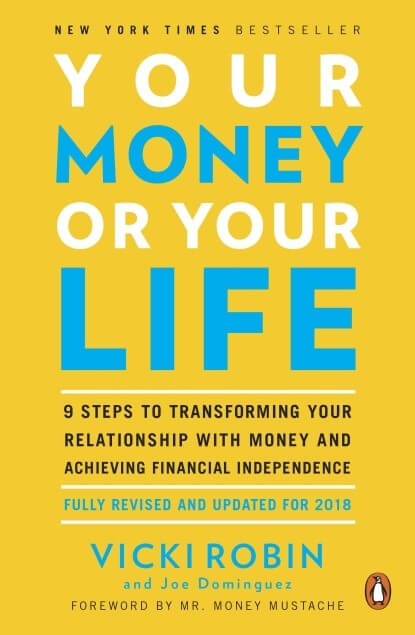
Your Money or Your Life by Vicki Robin


This book is what you need to learn the art of living within your means by changing your habits and enjoying life. It helps you understand how to deal with this thing called ‘Budgeting’.


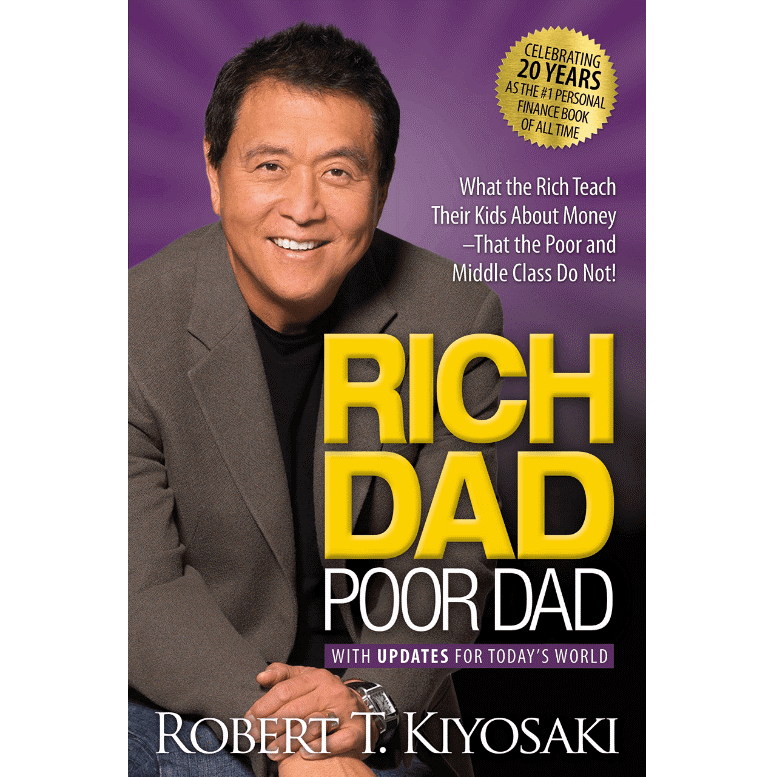
Rich Dad, Poor Dad by Robert Kiyosaki


‘Rich Dad Poor Dad: What the Rich teach their kids about money that the poor and middle class do not’ is touted as one of the bestselling personal finance books ever.


In this book, Kiyosaki uses his childhood recollections of his not-so-wealthy father and the father of his friend who was one of the richest residents in Hawaii to drive home points about money. The comparison shows how best to manage your money or lack of it, as well as helping your kids to do the same. Kiyosaki in this book posits that not all debt is bad, and you can build wealth even if you don’t currently have a staggering income.


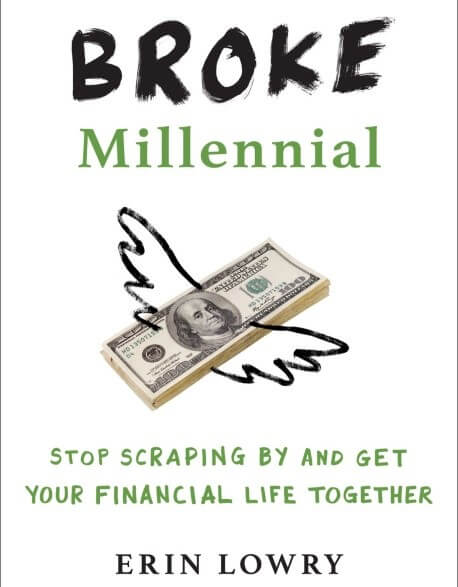
The Broke Millennial by Erin Lowry


This book offers a fun, relatable take on managing money for beginners. Targeted towards 20-30-somethings who want to learn about finances, Lowry covers tricky, real-life situations involving money and how to deal with the challenges of having or not having enough brings.


Explore the pages of these select books to build your money-management and investing knowledge and then go on to explore www.arminvestmentcenter.com to put what you’ve learned to practice with a plethora of investment vehicles to suit your every need.

The post 6 books to read on money and investing appeared first on Realising Ambitions.
ARM wraps up DAAYTA 2021, announces winner of ₦12m grant

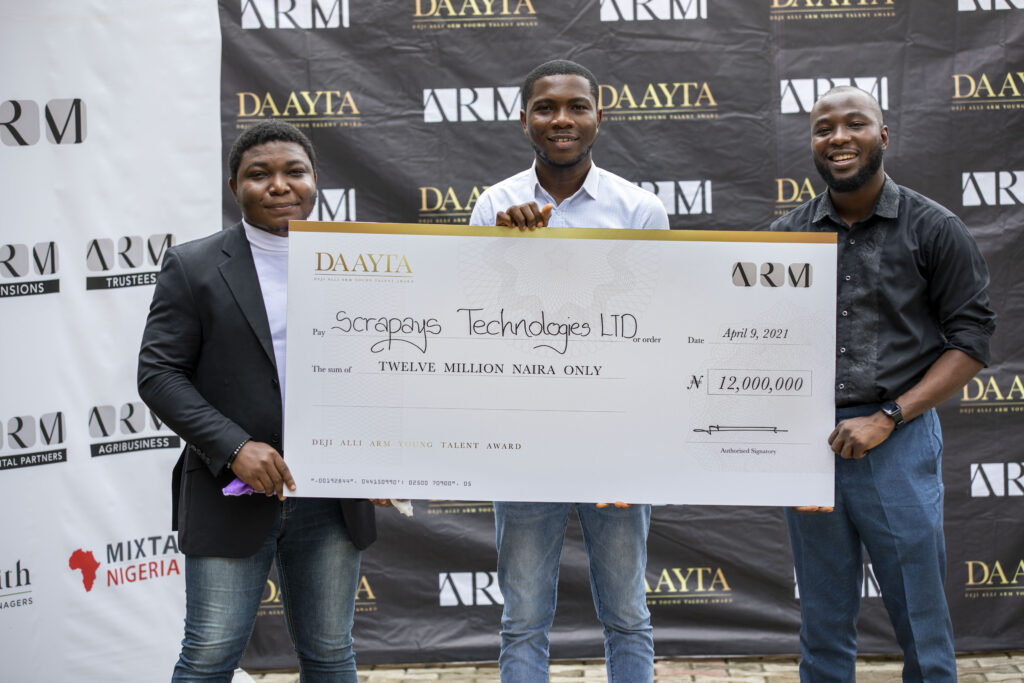
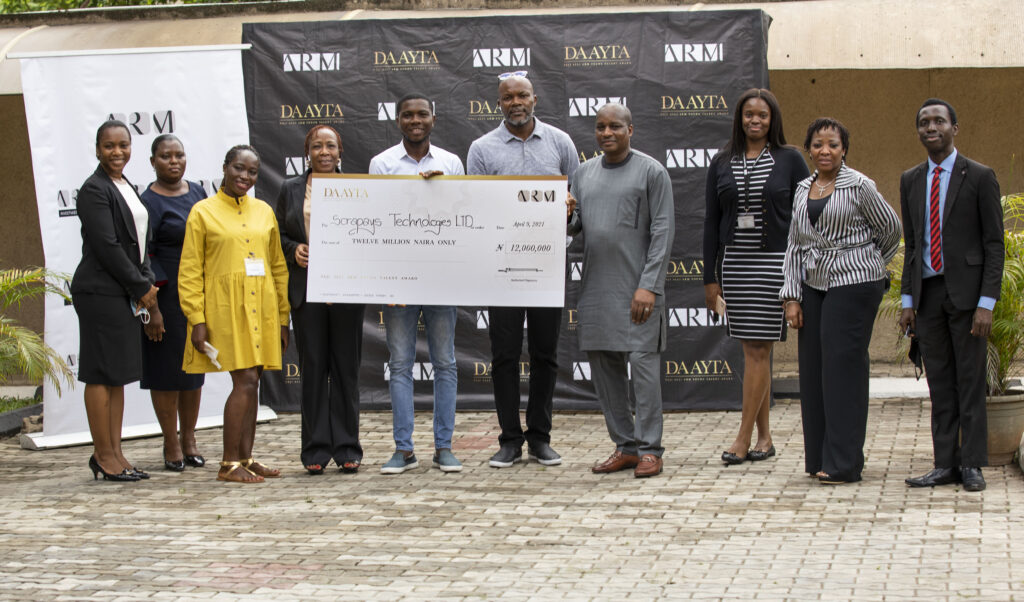
The finalists’ pitch event for the 2021 edition of the Deji Alli Young Talent Award (DAAYTA) programme held on April 9th, 2021, with Tope Idris Sulaimon of Scrapays Technologies Limited emerging winner to claim the N12 million grant.

He expressed his excitement saying, “I am happy to be the winner of DAAYTA 2021. In addition to the funding, this opens more opportunities for our startup. Working with all the experienced partners increases our chances of reaching our set milestones, and that excites me even more.”

The Deji Alli Young Talent Award (DAAYTA) programme is a youth awards initiative founded in 2015 by ARM in honour of its founding CEO Deji Alli. The award’s goal is to provide support to young entrepreneurs with smart and innovative ideas that positively impact people’s lives and the communities around them.

The top 6 finalists were: Tope Idris Sulaimon with his idea, Scrapays Technologies Limited, a cleantech startup that uses technology to facilitate a decentralized recovery model of recyclable waste in developing nations; Eyitayo Ogunmola whose business idea is a solution called ‘The Nucleus’ because it is the brain box of every premium technology skill training; Akinse Fela Buyi of Salubata which produces modular shoes from plastic wastes; Udebuana Oscar Obiora of Edupoint Limited  whose solution Edupoint leverages artificial intelligence to connect students with verified local teachers who deliver one-on-one lessons in any subject, or skill, to help students or learners meet their learning goals; Imodoye Ayokunbi Abioro of Healthbotics whose business solution Lend An Arm encourages the easy transportation of blood using a virtual robot and a mobile application; Uche Kenneth Udekwe with Natal Cares whose business idea seeks to bridge the healthcare information gap existing in underserved communities.

Speaking about the occasion, CEO of ARM Jumoke Ogundare said, “I’m glad to say that the event went well, and I say a big congratulations to the winner Tope Sulaimon of Scrapays Technologies Limited and all runners up. We believe that they all have what it takes to make a sustainable impact in their communities, and we can’t wait to start recording success stories as we have with the past winners of DAAYTA since its pilot edition in 2015. I also appreciate the entire team, sponsor, and partners who have supported this initiative to enable us to achieve our goal of enabling young entrepreneurs with innovative ideas to change the narrative in their various communities.”


The team of judges who delivered the sound judgment were: Dr. Ndidi Nnoli-Edozien – an Angel investor who has dedicated a significant part of her life to building bridges between large businesses and entrepreneurs, helping thousands of people at the bottom of the economic pyramid (BOP) in Nigeria live better lives; Kola Aina, founding Partner at Ventures Platform, an avid angel investor and mentor to startup founders; Sadiq Mohammed, Deputy Group CEO of ARM Group; Folashade Olusanya, a Partner at Jackson Etti & Edu and Victor Asemota, the Africa Partner for Alta Global Ventures, a US-based venture capital company.

About ARM

Established in 1994 as an asset management firm, Asset & Resource Management Holding Company Limited (ARM) has evolved into one of Nigeria’s most innovative and respected non-bank financial institutions focusing on Traditional Asset Management and Specialized Funds. ARM is a leading investment management firm that provides a diverse range of asset management services to a substantial and diversified client base that includes corporations, foundations and charities, high net-worth individuals, and small savers. See https://www.arm.com.ng/ for more details.

 About TechnoVision 

TechnoVision is the brand name for TechnoVision Communications Limited a technology services company that advises clients on technology-led transformation and early-stage entrepreneurship in Africa. See http://tvcng.com/ for more details.


3 ways to preserve your mental health

3 ways to preserve your mental health

As a busy professional, if you ever find yourself feeling mentally overwhelmed, these tips can help.


1. Identify what you’re feeling

Experts endorse writing as a way of tracking your emotional mood throughout the day. It is a practice that helps you understand which activities and times of the day trigger more anxiety. Once you can identify the trigger moments, you can better prepare yourself to respond.


2. Lean on others

Talking with people you trust can be the best outlet for maintaining your mental well-being. It allows them to express sympathy and empathy for what you’re going through. Rather than showing weakness, this shows strength and character while allowing the other person to equally open up about their feelings and struggles too.


3. Make time for yourself

Even if it’s just a short moment in time, doing something for yourself can help you relax and improve your mental health. If reading a book, journaling, or doing an exercise in the morning will make you feel happy for the rest of the day, do it – even if it’s for a few minutes. You don’t always have to put pressure on your mind by thinking only about work-related tasks.


Walk Into Tomorrow to plan your retirement today. Click here to begin.

The post 3 ways to preserve your mental health appeared first on Realising Ambitions.
Five things to know before investing in the stock market

The stock market can help you make a lot of money, if you invest knowing the nitty-gritty of the market. Here’s what you need to know

Never jump blindly into stock markets

It often happens that while talking to your friends and colleagues, the discussion heads towards the stock market, and also how the stock market helps investors make big money. You might never have invested in the market, but after hearing about all those things, you also decide to buy some stocks. This move is highly discouraged, because you are jumping in blind. You should invest in the stock market after getting the basic knowledge about it and in accordance with your financial goals.

Before making your first investment, take the time to learn the basics about the stock market and the individual securities composing the market.

Your focus will be on individual securities which you are investing in and the relationship with the broader economy and the factors that drive your stock.

Take out time to learn some of the basic jargons used in the stock market sphere

Invest only what you can afford to lose

The biggest mistake newbie investors make is to invest money that they can’t actually afford to lose. Investing in the stock market can be volatile, and that means that you can potentially lose or gain.

Like any investment, there are inherent risks associated with the stock market. Some are the risks related to the, while some risks are stock-specific that you can avoid.

You need to decide your own risk tolerance considering your age, financial strength, retirement goal, etc., and accordingly make your investment move.

Avoid herd mentality

Unlike many investors, you should avoid the herd mentality that is influenced by the actions of your friends, neighbors or relatives without evaluating the current information and underlying stocks. Thus, if everybody around is investing in a particular stock, the tendency for potential investors is to do the same. But this strategy is bound to backfire in the long run if you have not chosen the stock by careful analysis, that meet your interests.

So, if you really don’t understand about the stock, never step in.

Before investing in a company, you should know about its business. It’s important to only invest in businesses that are easy for you to understand, especially while you’re just starting out. Never invest in a stock. Invest in a business instead.

Choose a Professional Stock Broker

Well, it is true that a lot of investors have made profits through the stock market. But it was only possible because they’ve good market knowledge, made some really smart choices by adopting carefully thought of strategies, and are also much disciplined in their approach.

One best way to safely navigate the stock market investment terrain is by partnering with a trusted professional stock broker. Your broker will advise you on what kind of stock to invest in and what to avoid. Using their financial analysis skills, a professional broker can help you project if your investment strategy will be profitable in future or not.

Riparian Farms Limited Gives Back to The Community

On the 31st of March, Riparian Farms Limited, a subsidiary of Asset & Resource Management Holding Company (ARM HoldCo.), officially handed over the CSR projects initiated to improve the learning environment for the Baptist School, Tibo, and Baptist School, Olorunda, both in Abeokuta, Ogun State.

In 2020, Riparian Farms Limited (RFL), a subsidiary of ARM HoldCo, saw the need to embark on this initiative to provide a better toilet facility for the students and teachers at both schools in support of a more conducive and appealing learning environment and to improve the living standards for the community through the provision of potable water supply.

This initiative is part of ARM’s Corporate Social Responsibility (CSR) as an organization committed to building communities and supporting youth empowerment.

The Director, Riparian Farms Limited, Ms Uche Azubuike thanked the Ogun State Universal Basic Education Board (SUBEB) for their support in making this initiative a reality. She also added, “ We look forward to new opportunities to keep making a positive impact for as long as we operate within this region.”

Present at the official handing over and commissioning ceremony of the newly built restrooms and water supply system were H.R.H Oba Moses Adelani Adegboyega Olabode (RN, FWACN, MNI) Odunfa II, Omola of Imala-Land, Ogun State; Executive Director, Riparian Farms Limited, Mr. Theo Onadeko; Director, Riparian Farms Limited, Ms Uche Azubuike.

CLICK HERE TO VIEW PICTURES

5 actions that will get you promoted at work

5 actions that will get you promoted at work

Feranmi has consistently met and exceeded her KPI at work and even though it felt good to outperform, she was unhappy because, for three years, she’s yet to get noticed for promotion.


She reached out to a career coach to find out what she could be doing wrong. He told her that she had spent years building her skills but not building relationships.


Here are the tips he gave to help her strengthen her relationships throughout her career and get on the path to promotion and continued success.

1. Share your gifts with others


To be considered for promotion, senior management needs to see that you’re able to work well with others since companies succeed through collective leadership. What’s that special thing about you or the way you go about your work? Share with your teammates to help them become better. Seeing you demonstrating this capability now makes it easier for management to think of you in a role with additional responsibility.


2. Shift your perspective from “me” to “we”

How do your team-mates or people you often collaborate with see you? Do you like to tackle tasks alone and take the glory? That is not a team spirit. Start involving your team in strategy planning, listen more, talk less, and focus on leveraging the skills of your team to achieve goals collectively. In short, become a team player.


3. Mentor others to develop your leadership skills

Even if you’re not managing a team yet, find opportunities to lead or teach others – it could be through volunteering. We learn best when we are teaching others.


4. Collaborate better with clashing personalities

Identify the specific personality characteristics that are challenging for you and develop strategies for working effectively with them. When you find ways to get along with coworkers of all types, you eliminate friction, become more productive, and make it easier for management to promote you.


5. Set healthy boundaries in your work relationships

To advance and take on more responsibility, you should learn how and what to say “No” to. Some tasks may not add value to you, your team, or organization or could be a complete waste of your valuable time. Be judicious and diplomatic and learn to delegate where necessary.


Here’s to getting the promotion you deserve and moving to a PFA that appreciates you! Click here to move to ARM Pensions.


Tips from HBR

The post 5 actions that will get you promoted at work appeared first on Realising Ambitions.