
ARM-Harith Infrastructure Investments Ltd Designates Mrs. Rachel More-Oshodi as CEO

ARM-Harith Infrastructure Investments Ltd is pleased to announce the designation of Mrs. Rachel More-Oshodi as its Chief Executive Officer, effective March 2024. This follows the recent appointment of Mrs. Tariye Gbadegesin to the role of CEO at the Climate Investment Funds in Washington DC, United States.

Mrs. More-Oshodi, a seasoned executive with over two decades of extensive expertise in finance, infrastructure and energy, steps into this role after her successful tenure as Deputy Vice President Commercial Sales & Specialties at Africa Total Energies. Previously, she held significant positions, including Head of Infrastructure Finance, West Africa at Rand Merchant Bank and roles at the International Finance Corporation (IFC) and the Inter-American Development Bank (IaDB) in Washington D.C. Mrs. More-Oshodi, who holds dual French and U.S. citizenship, is originally from Cameroon, further strengthening ARM-Harith’s commitment to diverse leadership and Pan-African development.

In addition, the Board has appointed Mr. Jobalo Oshikanlu as Deputy CEO of the Fund Manager, effective January 1, 2024. A foundational member of the Fund Management Team at ARM-Harith, Mr. Oshikanlu brings over 25 years of experience in commercial legal, infrastructure finance, and private equity. Prior to this appointment, he served as the Executive Director for Legal & Investments. Mr. Oshikanlu’s deep expertise and Nigerian heritage further reinforce the Fund’s commitment to nurturing African talent and expertise.

Mr. Offong Ambah, Chairman of the Board of Directors, said: “We are thrilled to have Mrs. More-Oshodi lead ARM-Harith. Her remarkable track record in managing multi-country, multi-business platforms, and her profound understanding of energy and infrastructure investment across Nigeria, Africa, and globally, uniquely position her to drive our next growth phase.”

Mrs. More-Oshodi added: “Joining ARM-Harith as CEO is not just another occupation, it is a vocation. Together with the exceptional team at ARM-Harith, I am dedicated to unlocking the transformative power of infrastructure and renewable energy to catalyze economic growth and enhance the quality of life across the continent. It is truly a unique opportunity to enact meaningful change, leverage our collective expertise and resources to create a thriving, resilient Africa – one that stands as a testament to what is possible when passion aligns with purpose.”

The appointment is subject to concluding the regulatory requirements with the Securities and Exchange Commission and relevant authorities.

About ARM-Harith Infrastructure Investments Ltd.

ARM-Harith Infrastructure Investments Ltd is a leading pan-African infrastructure private equity fund management company that invests in sustainable infrastructure projects which support economic growth and development in Africa. The Fund is committed to investing in projects that have a positive impact on local communities and the economies in which it operates.

2024 – EMBRACING A NEW YEAR

By Mofoluke Keshinro TEP


As we step into the new year, we extend warm wishes for a joyous and prosperous time ahead! This marks a valuable opportunity to not only conceptualize new plans but also to outline the practical steps needed for their execution.

Now, let’s consider a crucial question: What changes do you intend to make this year?

This question carries significance because many of us create plans and resolutions at the start of the year, only to abandon them a few months later. It’s common to revisit these goals towards the year’s end, only to find them unrealized. To ensure success, it’s essential to approach goal-setting with intentionality, particularly when it comes to estate planning.

In the context of estate planning resolutions, we strongly advise engaging with an Estate Planning expert promptly. This proactive step ensures that you receive guidance on what needs to be done and how to go about it.

Make your estate planning resolutions a top priority and commit to implementing the recommendations provided by the Estate Planning expert. Here are some key areas to focus on:

1. Facilitate Access to Your Assets: Plan to make it easy for your loved ones to access your assets.

2. Prepare for Medical Emergencies: Consider creating a medical power of attorney or obtaining health insurance to prepare for unforeseen medical situations.

3.  Invest in Your Children’s Education: Strategize and plan for your children’s education.

4. Prioritize Retirement Planning: Start planning for retirement early by funding your retirement savings account adequately. This ensures financial sustainability post-retirement.

5. Craft a Succession Plan for Your Companies: Don’t assume that your children will automatically take over your business. Seek professional guidance in crafting a succession plan.

6. Update Your Estate Plan with Life Changes: If you’ve recently married, divorced, or experienced any life changes, update your estate plan accordingly.

7. Contribute to Charities: Plan for the charities you are passionate about to sustain your ideologies, whether you are actively involved or not.

8. Ensure Adequate Funding for Your Trust: Regularly review and fund your Trust to meet the beneficiaries’ needs, considering inflation and economic conditions.

9. Seek Investment Advice: Consult with your financial planner for investment advice and portfolio diversification.

10. Avoid Procrastination: Overcome procrastination by recognizing its negative impact. Plan now to ensure your family is well-prepared for whatever the future holds.

For personalized assistance in crafting an estate plan tailored to your evolving needs, reach out to ARM Trustees Limited. Whether you have questions or concerns, we welcome your emails or calls and look forward to assisting you.

Interested in setting up an Estate Plan today? Contact us or send  us an email to [email protected]

ARM Empowers Tech Innovators: Unveils 12 New Investments in Partnership with Techstars

ARM-Labs-Lagos-Techstars cohort 2

Lagos, Nigeria – December 14, 2023: ARM Labs, the prominent Lagos-based financial services and asset management company, proudly unveils its second cohort in partnership with Techstars, acknowledged as one of Africa’s most active startup investors. Announcing the participation of 12 companies in its pan-African accelerator program, this milestone follows the triumph of the inaugural program and signifies the continued commitment of ARM Labs Lagos Techstars Accelerator to empower entrepreneurs shaping the future of Africa and global innovation.

The 2023 cohort, selected from over a thousand applications, delivers tech-enabled solutions across various verticals in Sub-Saharan Africa. The sourcing and selection was led by Managing Director for the accelerator, Oyin Solebo. It culminated in a screening committee joined by fellow directors at Techstars, executive leaders at ARM – Jumoke Ogundare, Sadiq Mohammed, Wale Odutola, Uche Azubuike and Ina Alogwu; as well as selected invited seasoned investors – Nneka Eze of Vested World, Maya Horgan Famodu of Ingressive Capital, Olumide Soyombo of Voltron Capital and Dotun Olowoporuku of Ventures Platform. 

For its first cohort, the program had initially focused on companies operating in FinTech and PropTech, but this year expanded to focus more broadly on entrepreneurs that are changing Africa and the world, by using technology, data and intelligence to serve a population growing in size, youth, income and digital access. Sectors invested in include FinTech, Logistics, E-commerce, HealthTech, Renewable Energy, and Future of Work.  The cohort comprises startups operating in Ghana, Nigeria and East Africa, and has four teams with at least one female co-founder. 

The 14-week immersive program will see Techstars invest up to $120,000 in funding in each startup as well as provide them with access to over $400,000 in cash equivalent hosting, accounting and legal support and other benefits worth more than $5M. The selected startups will also receive tailored mentorship, world-class company-building support, lifetime access to the Techstars worldwide network and targeted interactions with prospective investors to ensure that the continuum of follow-up capital is available as they grow. By partnering with ARM Labs, founders are also exposed to ARM’s local network, research and insights and decades long financial advisory expertise. 

The selected companies are, in alphabetical order: 

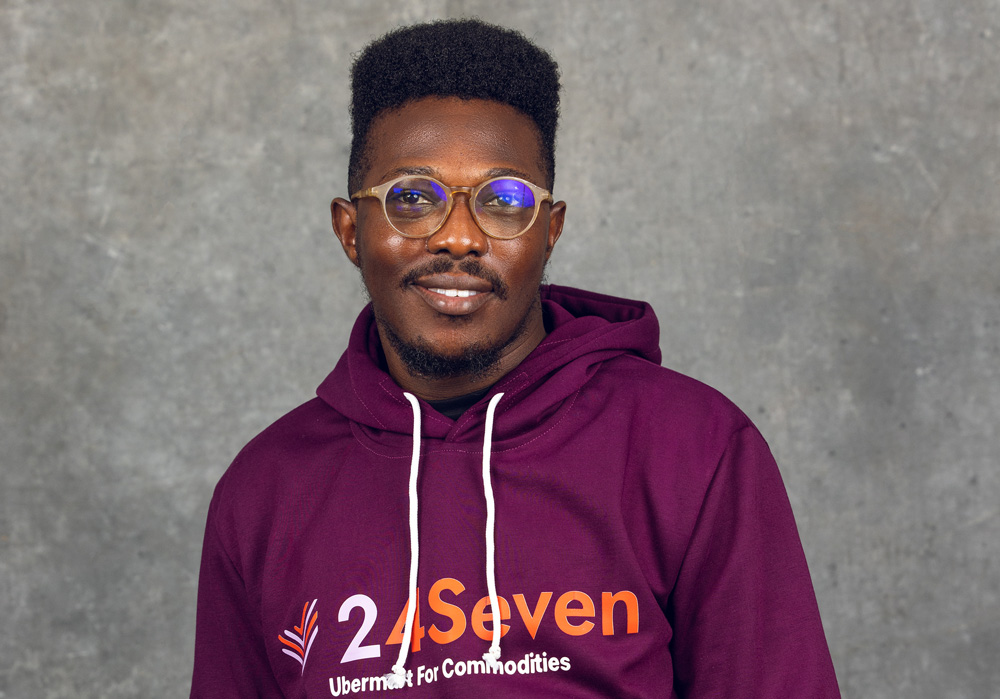
24Seven, founded by Olufemi Idowu, is an asset-light marketplace that enables small businesses and convenience stores to order inventory on credit with one-hour doorstep delivery.

Beauty-Hut

Beauty Hut leverages technology to bridge the gap between beauty brands and consumers through efficient product distribution and marketing channels, via their e-commerce web-store and mobile app. It is founded by Subuola Oyeleye.

Eight-Medical

Eight Medical, by Dr. Ibukun Tunde-Oni, is an end-to-end platform that connects users in need to emergency medical resources (such as hospitals, ambulances, personnel, information & credit), reducing waiting times from an average of 3 hours to 10 minutes or less.

GetEquity

GetEquity facilitates access to investment opportunities by SEC-accredited providers, reducing entry barriers through investment aggregation across various asset classes. It is founded by Jude Dike, Temitope Ekundayo and Chigozirim Ugochukwu.

Jump-n-Pass

JumpnPass, by Tunde Ademuyiwa and Qudus Quadry, is a mobile self-checkout platform for modern retail in Africa. They enable shoppers to use their smartphones to effortlessly scan product barcodes, pay for items, and skip long queues.

One-Plan

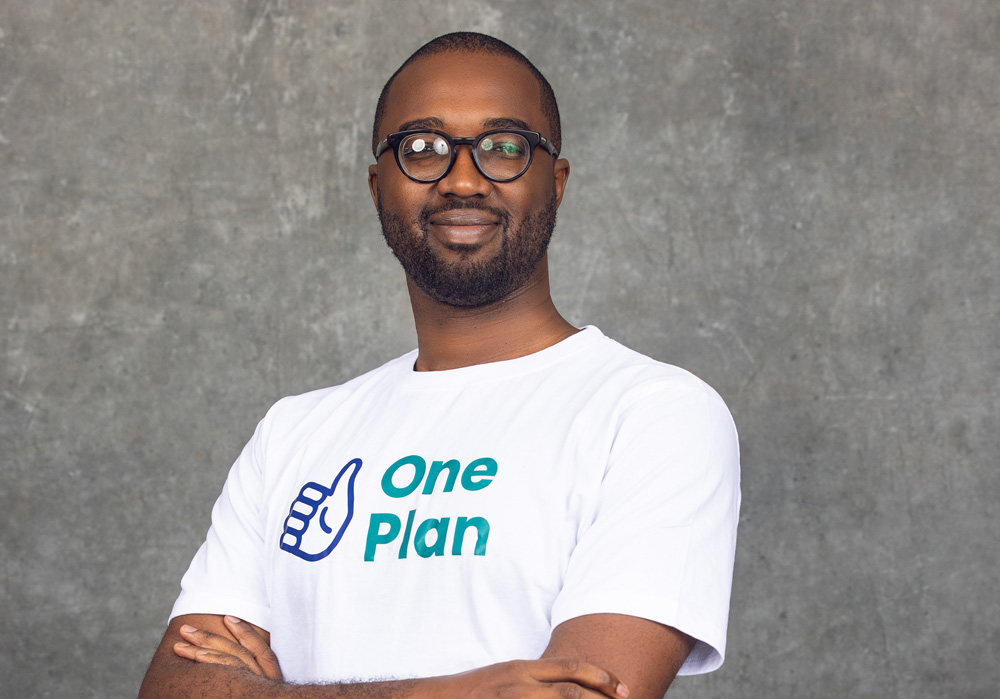
One Plan helps workers in Africa’s informal economy create affordable financial plans, making it easier to start a retirement plan, access low-interest credit, and access health + life insurance cover. It is founded by Harold Awuah-Darko.

PBR-Life-Sciences

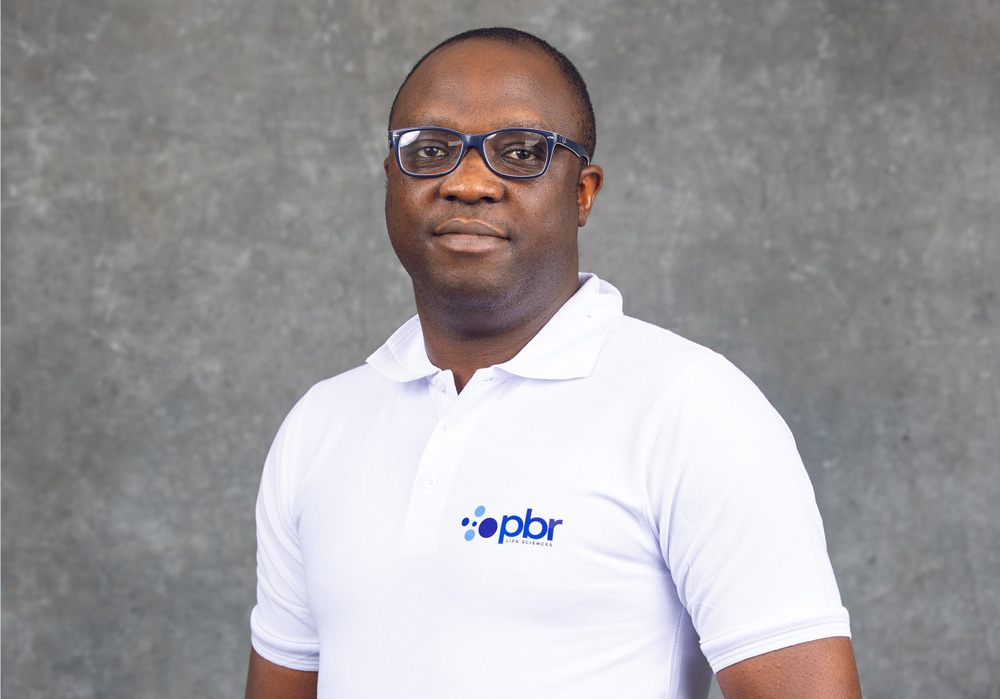
PBR Life Sciences offers pharmaceutical, consumer healthcare and medical device companies fast and easy access to high-quality market data and insights, helping them make objective decisions on product pricing, volumes and company strategy. The company is founded by Ayodeji Alaran.

PressOne

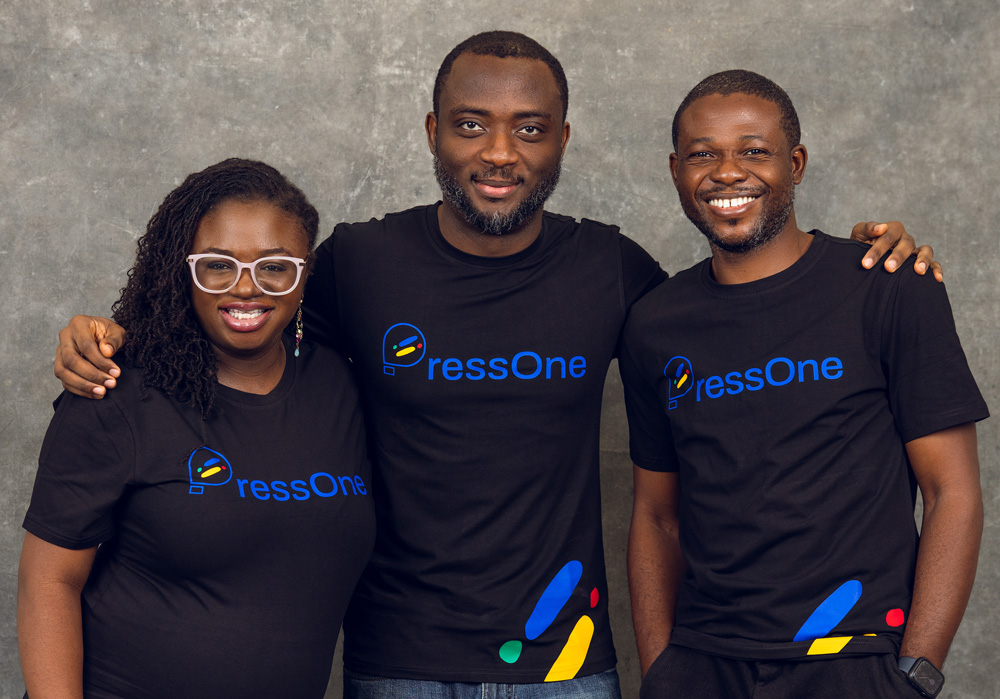
PressOne Africa provides African businesses with deeper insights into phone conversations with customers through a communication platform that provides conversation intelligence and call monitoring. It is led by Mayowa Okegbenle, Opeyemi Shokunbi and Unoma Adeyemi.

Rana

Rana democratises access to clean and reliable solar systems for SMEs and residential customers through affordable long-term solar subscriptions, replacing the need for expensive, unreliable, and toxic backup generators. The company is founded by Abraham Mohammed and Mubarak Popoola.

Surge-Africa

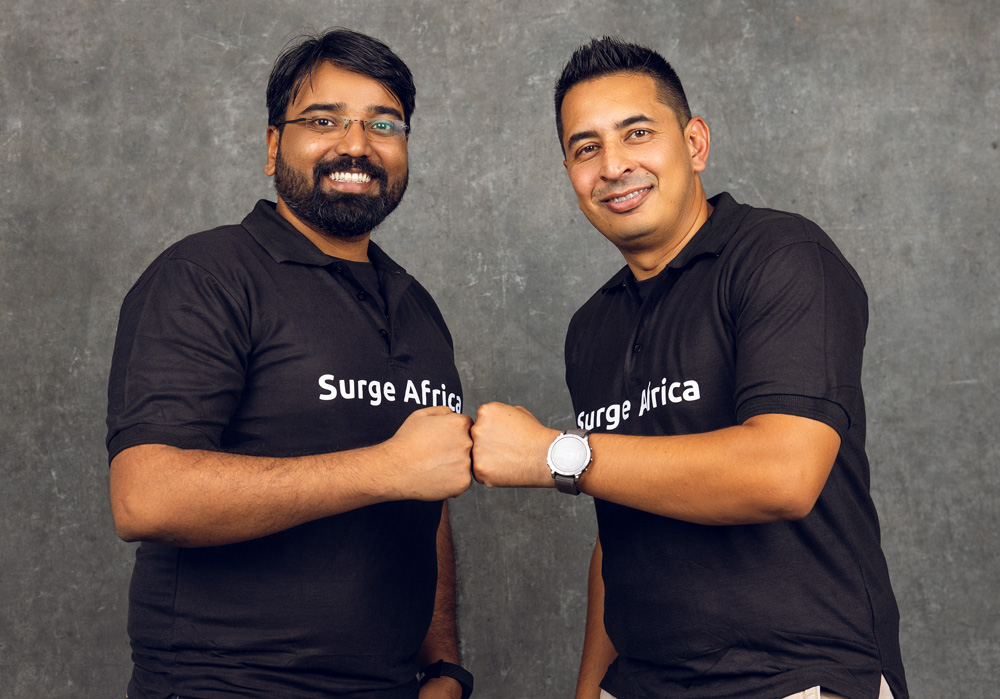
Surge Africa, founded by Kumar Shourav and Ebrahim Essop, allows individuals, micro-entrepreneurs and MSMEs in Africa to make instant cross-border transfers and pay up to 80% less in fees.

Swoove

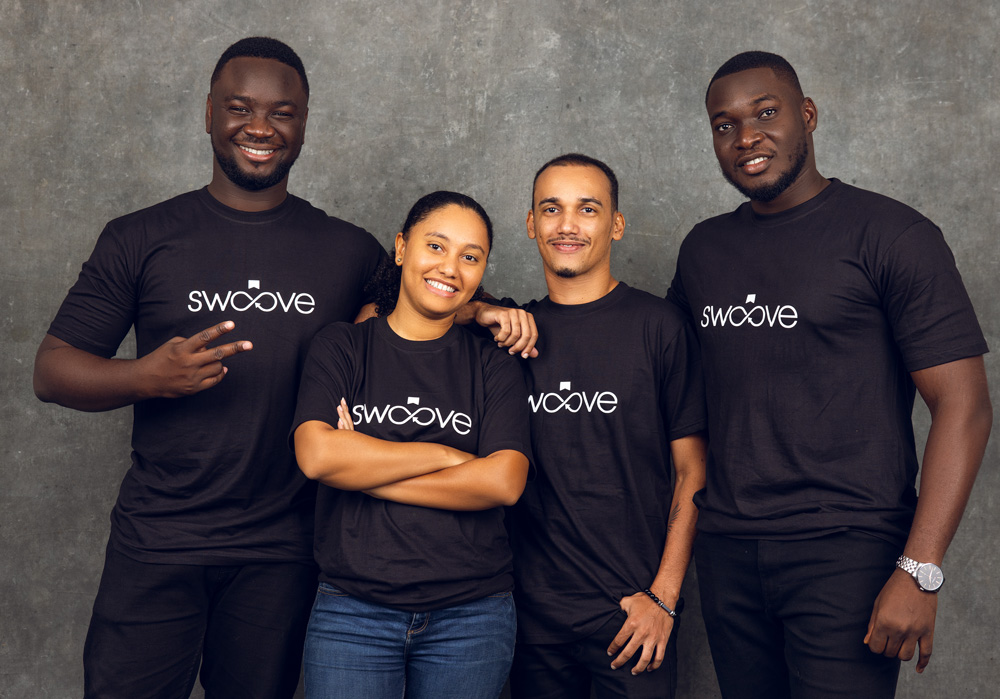
Swoove empowers logistics companies in emerging markets to digitise and scale their businesses with dispatch automation, fleet management, tracking and telematics, and a wide delivery network. It is led by Kwaku Tabiri, Kingsley Amponsah, Gloria Pascucci, Robert Quainoo and Kevin Blankson

Veend

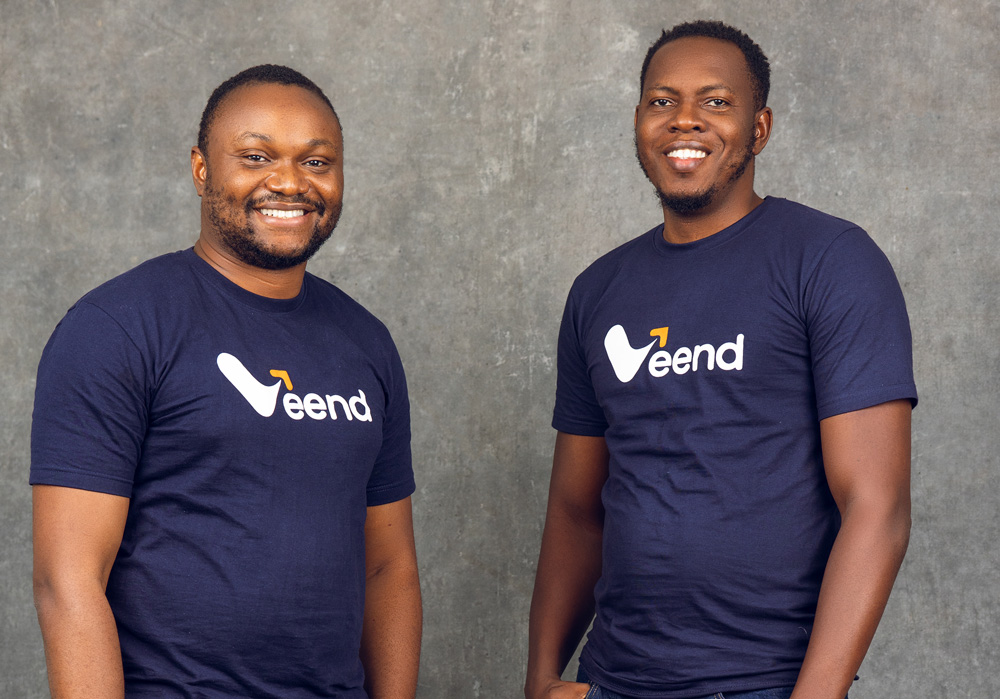
Veend, founded by Olufemi Olanipekun and Ebenezer Ajayi, enables individuals and businesses with verifiable income to access funds on-demand, addressing their needs for emergency funds or working capital.

Expert Guidance from Industry Leaders

The selected companies will benefit from mentorship sessions led by notable experts in the African tech ecosystem, including Tunde Kehinde (Founder/CEO, Lidya), Bode Abifarin (COO, Flutterwave), Tingting Peng (Chief Capital & Strategy Officer, Moove), Kevin Simmons (Partner, LoftyInc), Lola Esan (Partner, EY), and Yischai Beinisch (Head, West Africa – Emerging Market Power, Shell Energy Europe & Africa).

A Wealth of Opportunity

Oyin Solebo, Managing Director, ARM Labs Lagos Techstars Accelerator commented, ‘Our second cohort truly showcases, and perhaps also epitomises, the wealth of talent, innovation and ingenuity that can be found within the African tech ecosystem. Supporting this group in reaching their full potential feels like the perfect segway following the close and success of the inaugural cohort. The current market dynamics means that founders need a combination of financial support as well as technical assistance and access to networks in order to build resilient businesses. We are glad to be able to provide comprehensive support that covers this entire spectrum.’

Ina Alogwu, Group Director, Digital Transformation, ARM noted ‘Programs like the ARM Labs Lagos Techstars Accelerator enable us to comprehend, champion, and actively contribute to the growth of technology-driven solutions emerging throughout Africa, and we are thrilled to be on this journey for the second year running in collaboration with our valued partners.’

For additional information or interview requests with Managing Director, Oyin Solebo, please contact [email protected].

Demo Day and Beyond

The program concludes with an invite-only Demo Day on February 22, 2024, where founders will showcase their progress. Register here to attend.

The ARM Labs Lagos Techstars Accelerator continues to champion technology-driven solutions in collaboration with valued partners, contributing actively to Africa’s growth.

ARM and Techstars

ARM Labs Lagos Techstars Accelerator Program, powered by the collaboration between ARM and Techstars, aims to empower entrepreneurs for growth and success. Established in 1994, ARM provides wealth creation opportunities through asset management and alternative investments, while Techstars, founded in 2006, connects startups, investors, and cities, empowering entrepreneurs globally with investments in over 3,700 companies.

For more information, visit www.arm.com.ng and www.techstars.com.

2023 – YOUR ESTATE PLANNING GOALS…  

Estate Planning

Mofoluke Keshinro, TEP


It’s the last month of the year and a lot of us are already taking stock of things we had planned to do for the year while some of us are already acting on items on our list for the year that we haven’t actioned before now.

Note that there is still time before the end of the year to take major steps especially as it relates to your estate planning goals.

Outlined below are some key considerations to guide on achieving your estate planning goals before the year ends.

Do You Have an Estate Plan?

Yes, you have procrastinated on speaking with an estate planning expert to craft a suitable estate plan for you and it is December already but you have not done anything regarding this. You might want ask yourself the reason for not achieving this goal: is it fear of the inevitable? Is it that you’re unsure of how to distribute your assets? Is it uncertainty on the choice of your Executor or the choice of a suitable guardian for your minors?

If any of the above is a concern to you, do not delay any further, reach to ARM Trustees Limited, we are ready to assist you in achieving this objective in a timely manner to ensure you tick this off your list before the year ends.

Have You Updated Your Plan?

For some of us, we have existing estate plans however our status has changed and there’s a need to update the plan however this is yet to be done.

For those that are about to retire, there’s a need to review the existing estate plan because the retirement plan in the estate plan might no longer be adequate due to economic situation, some portfolios in the estate might not be proportionately spread between short, medium and long terms goals/needs, possibly the investments are long tenured, and they will not meet the needs of a young family that has short terms requests for welfare/lifestyle needs. So, there’s a need to sit with your financial planner and estate planner to adjust the plan as may be necessary. This can be done before the year ends.

Do You Have Life Insurance?

Life Insurance is a tool of estate planning, it helps individuals who do not want their families financially crushed while going through a bereavement undertake a life insurance policy. With a life Insurance, the claim payable upon the death of the insured goes to the named beneficiary in the policy document. Subject to the value of the cover on the life of the insured, the claim sum can be sufficient to handle the financial well-being of your loved ones even in the absence of the breadwinner. That’s why it is recommended that the sum assured should be significant to be able to give complete financial protection such that the family can continue their lives without suffering major change in income upon the passing of the breadwinner, they have the ability to settle debts (if any), go to School, maintain their lifestyle while having adequate financial leverage. You can undertake a life Insurance before the year ends.

If you have an existing life insurance, we recommend you review the sum assured due to the current economic situation in the country, to ensure the claims to be paid by the insurance company will meet the financial obligations of your family if eventuality happens now.

Have You Reviewed Your Named Executors/Trustees/Beneficiaries?

If you named natural persons as your Executor and/or Trustee in your Will, are the executors still alive? Did you give gifts to persons who might have passed on? Is your named guardian in the Will still alive? Or has the lifestyle of the guardian changed that you wish to change to a more suitable person? Do you have anyone with special needs that would need special care and extra financial planning in the family that wasn’t there at the beginning of the year?

Would you wish to set up a separate estate plan for your young children? Possibly, a Living Trust to cater to their educational, welfare and medical needs.

The above validates the need for a review of your estate plan before the year ends.

Inform Your Family About Your Estate Plan

It is recommended that your family know who to approach when eventuality happens hence the need to inform them of structures you’ve put in place to ensure they do not suffer when you are no longer in the picture. Informing them that you’ve created an Estate Plan and the name of your Estate Planning Advisor will guide them in times of emergencies.

We recommend you inform your family on the important values you wish they would adopt and perpetuate in your honour.

You might want to draw up a power of attorney that enables the person you donate the powers to, to take decisions on your behalf when you are unable to. The decisions can be financial, general and/or medical.

Tariye Gbadegesin Appointed CEO Of The Climate Investment Funds

The Trust Fund Committee of the Climate Investment Funds (CIF) announced today the appointment of Tariye Gbadegesin as Chief Executive Officer, effective March 2024. Tariye will lead one of the world’s largest multilateral climate funds with over $11Bn pledged, pioneering clean energy transitions, nature-based solutions and resilience in over 70 developing countries.

She joins CIF after holding leadership positions in infrastructure and climate finance as the CEO of ARM-Harith Infrastructure Investments, a leading Pan-African infrastructure fund investing in energy transition and climate resilient infrastructure, and as the Co-Chair of the Voluntary Carbon Markets Integrity Initiative (VCMI), an international organization enabling high-integrity voluntary carbon markets for climate action.  

Tariye is a seasoned climate finance executive with over 20 years of experience investing in emerging markets and developing economies, including significant experience in mobilizing private capital for climate action and supporting policy design for energy transition finance and implementation. In her recent career, she has structured and delivered over $3bn in large-scale energy, infrastructure and industrial investments and has designed and structured multiple complex blended finance funds, platforms, and syndications, mobilizing capital from the private sector, multilateral development banks and concessional windows.

Previously, she worked at the International Monetary Fund, the Boston Consulting Group, Price Waterhouse Coopers, and the Africa Finance Corporation.

Tariye has served as an advisor on multiple climate and economic development organizations including as member of the Climate Policy Initiative’s (CPI) Global Innovation Lab for Climate Finance; the Infrastructure Advisory Committee for the United Nations Principles for Responsible Investing (PRI); the African Advisory Board of the Glasgow Financial Alliance for Net Zero (GFANZ); and the Advisory Council of the Millennium Challenge Corporation (MCC).

A US and Nigerian national, Tariye holds a bachelor’s degree in economics from Amherst College and an MBA from Harvard Business School.

“I am deeply honored to join the Climate Investment Funds to accelerate collective climate action. Developing countries are at the forefront of the climate crisis, and we will only meet this decisive moment by working together to scale climate finance where it is needed most,” said Tariye Gbadegesin. “This is an exciting time for the global community, as we seek to build a multilateral system fit for purpose to keep 1.5C alive while lifting millions out of poverty. With six multilateral development bank partners and 15 years of experience delivering pioneering climate finance, CIF is uniquely placed to deliver in this new era.”

CIF Trust Fund Committee Co-Chairs, Bob Natifu of Uganda and Edward Webber of the United Kingdom, noted that this appointment, decided by consensus of all committee members, comes at a critical time. Tariye Gbadegesin was selected following a highly competitive international recruitment process featuring outstanding global climate leaders. “Tariye is a trailblazer, a strategic thinker and relationship-builder with deep expertise, knowledge and experience in climate finance,” they said. “We have no time to lose, and she brings the drive and vision needed to deliver now for our planet.”  

The Trust Fund Committee Co-Chairs also expressed their gratitude to Luis Tineo, CIF’s interim CEO, for his steady leadership during the transition phase. Luis will continue as Interim CEO until March 2024.

Tariye Gbadegesin replaces Mafalda Duarte, who left in July 2023 to lead the Green Climate Fund.

Source: www.cif.org

Maximize Your Financial Legacy: Why Combining Financial and Estate Plans Matters

By Mofoluke Keshinro TEP

As the year draws to a close, it’s an opportune time to reflect on the progress of your financial goals and chart a path for the future. At ARM Trustees, we understand that wealth management is not just about the present but also about securing your legacy for the future. That’s why we’re here to shed light on the vital synergy between your Financial and Estate plans. In this article, we will explore a critical aspect of your financial well-being – the fusion of your financial plan with your estate plan and how ARM Trustees can guide you toward financial peace of mind.

Financial Planning vs. Estate Planning: What’s the Difference?

Let’s start by clarifying these terms:

Financial Planning: This is about shaping your financial present. According to the Cambridge Dictionary, Financial planning is the act of making decisions about how you should manage your financial arrangements. It involves setting budgets, saving, and investing to reach your goals, whether buying a dream home or funding your child’s education. With financial planning, an individual would assess their current financial goals and review the books and investments to meet their set objectives at the time.

Usually, a financial planner is your guide to achieving your short and long-term financial goals. They focus on optimizing your financial present by creating budgets, savings strategies, and investment plans. However, they might not delve into the intricate legal aspects of your financial affairs, as that’s where an estate planning expert comes into play.

Estate Planning: On the other hand, Estate planning is about securing your family’s future by thoughtfully arranging asset distribution, ensuring your loved ones are cared for, and preserving your wealth. Estate Planning is the transfer of assets in anticipation of incapacitation or death. This process aims to preserve the maximum wealth possible for the desired or intended beneficiaries. So, it involves making decisions about health care during incapacitation and who gets what from your assets.

An estate planning expert, typically a lawyer, plays a pivotal role here. They assess your current situation and contemplate worst-case scenarios to draft comprehensive estate planning documents. These documents aren’t just about asset distribution; they’re about preventing disputes, and discontent among beneficiaries, and safeguarding your assets. The objective is to ensure a seamless execution of your wishes as outlined in your estate plan.

Why Both Are Vital:

While distinct, both financial and estate planning are crucial. Why? Because they contribute to your peace of mind. A sound financial plan reassures you that your goals are on track, while a robust estate plan ensures that, in case of unforeseen events, only those you desire have access to your assets.

Remember, these two areas are complementary. A well-structured financial plan, harmonized with a comprehensive estate plan, is your ticket to financial security and peace of mind. In short, your financial planner focuses on the here and now, while your estate planning expert addresses the enduring legacy you wish to create. Both are equally significant for your overall financial health and peace.

Why Should You Combine Your Financial and Estate Plans?

Simplicity and Clarity: By merging your financial and estate plans, you’re simplifying things for your family. They will not need to navigate multiple documents or juggle advice from various advisors during challenging times.

Asset Control: With a combined plan, you regain control over who makes decisions on your behalf if you can’t and who inherits your assets. This way, you avoid the state determining your asset distribution.

Your estate planning practitioner and your financial planning advisor should work together to prepare a comprehensive and well-integrated document for you. The final document must contain details regarding medical emergencies and how the funding will be done, lifestyle maintenance in retirement, education and welfare of children, funding of charitable objectives, the appointment of guardians for children who are minors, and how to settle Probate fees or Estate Duty.

Take Action Today for a Secure Tomorrow

At ARM Trustees, we strongly advise merging your financial and estate plans. This ensures a holistic approach to your financial well-being and legacy preservation. Our expert team of financial planners and estate planning professionals can help you create a comprehensive document tailored to your unique needs.

These plans require periodic checks to stay in sync with your evolving goals. We can set up a schedule for regular reviews, whether quarterly or semi-annually, based on your preferences and the nature of your assets.

Contact us at ARM Trustees, and let’s combine your financial and estate plans for a brighter financial future. Take control of your legacy and achieve peace of mind.

Interested in setting up an Estate Plan today? Contact us or send  us an email to [email protected]

How to Minimize Inheritance Conflicts: Ensuring a Smooth Wealth Transfer

inheritance conflict

By Mofoluke Keshinro TEP

When individuals amass significant wealth throughout their lives, they often want to ensure that the hard work and dedication they invested in building their wealth will benefit their chosen beneficiaries. However, it’s not uncommon for some wealthy individuals to delay or neglect the crucial process of transferring their wealth to their loved ones. This oversight can lead to family disputes, misunderstandings, and even the unfortunate loss of a family legacy. To prevent such issues, it is imperative for affluent individuals to establish a seamless structure for wealth transfer.

A patriarch or matriarch with substantial wealth carries the responsibility of understanding the dynamics within their family. This understanding is crucial for safeguarding their wealth and fostering family harmony. Creating an estate plan sends a powerful message to the family: it demonstrates care and concern for their well-being. An estate plan not only ensures the equitable distribution of assets but also leaves behind a legacy of fairness and love.

The primary objective when creating an estate plan should be to promote unity and harmony within the family to achieve common goals. Every action taken in the estate planning process should aim to avoid disagreements, conflicts, or dissatisfaction among family members. Here are some effective strategies to minimize inheritance conflicts:

Set Up a Robust Estate Plan

A robust estate plan is the cornerstone of a seamless wealth transfer. This plan can include tools like a Will or a Living Trust. A Will becomes effective after your passing, while a Living Trust operates during your lifetime and allows for adjustments to meet your evolving objectives. It’s essential to update your estate plan whenever significant changes occur in your life, such as the sale of assets, to ensure that beneficiaries are not inadvertently disinherited.

Transfer Assets to Your Trust

Assets not registered in the name of the Trust do not fall under its jurisdiction. Therefore, it’s crucial to re-title and transfer assets into the Trust’s name. Adequate funding of your Trust account enables the Trustee to carry out your directives as outlined in the Trust Deed.

Choose an Institutional Executor and/or Trustee

To ensure fairness, objectivity, professionalism, and accountability, consider appointing an institutional Executor or Trustee to execute the instructions outlined in your Will or Trust Deed. Institutional Executors and Trustees follow your directives precisely, eliminating potential bias or sentiment-based decisions.

Leave a Letter of Wishes

While a Letter of Wishes is non-binding, it serves as a guiding document for the Executor and Trustees. This letter explains the intentions and reasons behind your Will or Trust instructions. Including funeral directives in this document is advisable, as it is typically read before the Will itself (if a Will is part of your estate plan). This clarity can prevent conflicts and miscommunications among family members.

Be Fair in the Distribution of Assets

Avoid favoritism during the distribution of assets. Fairness should be the guiding principle to prevent sibling rivalry and conflicts. Equitable distribution should be the goal, avoiding situations where one beneficiary gains an unfair advantage over others. If certain family members have special needs requiring additional financial support, create a separate arrangement clearly stating the reasons for the extra provision.

Plan for Business Succession

Transferring ownership of a family business demands careful consideration. Some family members may be actively involved in the business, while others may wish to join. Effective grooming and open communication about the choice of a successor are essential to ensure cooperation among family members and a smooth transition. Consider involving non-active family members by inviting them to sit on the company’s board to provide input on business strategies.

Make Provision for One-Off Gifts

Include arrangements for one-off gifts to individuals who have been close to you, such as your personal assistant, driver, or cook. Additionally, consider one-off gifts to religious institutions or charitable organizations that hold significance in your life.

In conclusion, a well-crafted estate plan, guided by an expert, is instrumental in preventing family disputes over inheritance. Your estate plan will ultimately determine whether your wealth survives to benefit the next generation. Minimizing conflicts in inheritance distribution should be a top priority when establishing your estate plan. At ARM Trustees Limited, we are here to assist you in creating an efficient plan that aligns with your objectives and fosters family harmony.


Frequently Asked Questions (FAQ) on Equities in Nigeria

Investing in equities, also known as stocks or shares, can be an effective way to grow your wealth in Nigeria. However, it’s essential to understand the market and its dynamics before making any investment decisions. Here are some frequently asked questions (FAQs) to help you navigate the world of equities investing in Nigeria:

1. What are equities, and how do they work in Nigeria?

Equities represent ownership in a company. When you buy a company’s shares, you become a shareholder and have a stake in the company’s profits and losses. In Nigeria, the Nigerian Stock Exchange (NSE) is the primary platform for trading equities.

2. Why should I consider investing in Nigerian equities?

Investing in Nigerian equities can provide opportunities for capital appreciation and dividend income. It’s a way to participate in the growth of Nigerian companies and the broader economy.

3. How do I get started with equities investing in Nigeria?

To start investing in Nigerian equities, you’ll need to open a brokerage account with a registered stockbroker. This account will allow you to buy and sell shares on the NSE.

4. What are the risks associated with investing in Nigerian equities?

Investing in equities carries inherent risks. The value of your investments can go up or down, depending on market conditions. Factors like economic instability, political changes, and company-specific issues can affect stock prices.

5. What types of companies are listed on the Nigerian Stock Exchange?

The NSE lists a wide range of companies, including banks, telecommunications firms, oil and gas companies, manufacturing companies, and more. You can invest in both domestic and international companies listed on the exchange.

6. How can I research and choose which Nigerian stocks to invest in?

Research is crucial. You can start by analyzing a company’s financial reports, studying market trends, and considering the long-term potential of the business. It’s also helpful to seek advice from financial experts or use research tools provided by your brokerage.

7. What is the role of a stockbroker in Nigerian equities investing?

Stockbrokers are intermediaries that facilitate the buying and selling of stocks on your behalf. They execute your orders and provide guidance on market trends and investment opportunities. ARM Securities is an example of a Stockbroker

8. How much money do I need to start investing in Nigerian equities?

The amount you need to start investing in Nigerian equities varies, but it’s possible to start with a relatively small sum. Your brokerage may have minimum investment requirements, so check with them for specific details.

9. How are dividends taxed in Nigeria?

In Nigeria, dividends are subject to withholding tax. The rate may vary, but it’s typically around 10%. Ensure you understand the tax implications of your investments and consult a tax professional if needed.

10. What is the best strategy for investing in Nigerian equities?

There’s no one-size-fits-all strategy. It’s essential to diversify your portfolio, stay informed, and consider your financial goals and risk tolerance. Long-term investing is generally a sound approach.

11. How can I stay updated on the Nigerian stock market and my investments?

You can follow financial news, use stock market apps, and regularly check your brokerage account for updates on your portfolio.

12. Can I invest in Nigerian equities if I live outside Nigeria?

Yes, non-resident investors can invest in Nigerian equities. You’ll need to open a brokerage account with a broker that caters to international investors and comply with Nigerian regulations.

Remember that investing involves risks, and it’s crucial to do your due diligence, seek advice when necessary, and make informed decisions when investing in Nigerian equities. Consult with a financial advisor or a knowledgeable professional for personalized guidance.

Frequently Asked Questions (FAQ) on Treasury Bills in Nigeria


  1. What are Treasury Bills (T-Bills) in Nigeria?

    Treasury Bills, often abbreviated as T-Bills, are short-term debt instruments issued by the Central Bank of Nigeria (CBN) on behalf of the Federal Government. These bills are used to raise funds to finance government projects and are considered one of the safest investment options in Nigeria.

  2. How do Treasury Bills work?

    Investors purchase T-Bills at a discount to their face value and hold them until maturity, typically ranging from 91 days to 364 days. Upon maturity, investors receive the face value of the bill, and the difference between the purchase price and face value represents their return on investment.

  3. Who can invest in Treasury Bills in Nigeria?

    T-Bills are open to both individual and institutional investors, including banks, pension funds, and foreign investors. There are no restrictions on eligibility, making them accessible to a wide range of investors.

  4. Where can I buy Treasury Bills in Nigeria?

    You can buy Treasury Bills through authorized dealers such as commercial banks and other financial institutions. Many banks offer online platforms for T-Bill purchases, making it convenient for investors.

  5. What is the minimum investment amount for Treasury Bills in Nigeria?

    The minimum investment amount for T-Bills may vary depending on the issuer and the platform used. However, it is typically within the range of N100,000 to N1,000,000.

  6. Are Treasury Bills in Nigeria risk-free?

    While T-Bills are considered relatively safe investments, they are not entirely risk-free. The primary risk is interest rate risk, which means that if market interest rates rise, the value of existing T-Bills may decline when compared to new issuances. However, the Nigerian government’s commitment to servicing its debt makes T-Bills one of the safest investment options in the country.

  7. How are Treasury Bills taxed in Nigeria?

    As of my last knowledge update in September 2021, T-Bills in Nigeria are exempt from withholding tax, making them a tax-efficient investment option.

  8. Can I sell my Treasury Bills before maturity?

    Yes, you can sell your T-Bills before their maturity date in the secondary market through authorized dealers or brokers. However, the price you receive may be higher or lower than the initial purchase price, depending on prevailing interest rates.

  9. What is the difference between Treasury Bills and other government securities in Nigeria?

    Treasury Bills are short-term government debt instruments with maturities ranging from 91 days to 364 days. Other government securities, such as Federal Government Bonds, have longer maturities and may pay semi-annual or annual interest.

  10. How do I calculate the yield on Treasury Bills in Nigeria?

    The yield on T-Bills is calculated using the formula:

    Yield = (Face Value – Purchase Price) / (Purchase Price) x (365 / Days to Maturity) x 100%

  11. Are Treasury Bills a good investment choice in Nigeria?

    Treasury Bills can be a suitable investment choice for individuals and institutions looking for a low-risk, short-term investment option. They provide a predictable return and liquidity. However, it’s essential to consider your financial goals and risk tolerance when making investment decisions.

  12. Where can I get more information about Treasury Bills in Nigeria?

    You can find detailed information about T-Bills on the Central Bank of Nigeria’s website, consult with your bank’s customer service, or seek advice from a financial advisor or investment expert.

Please note that regulations and conditions related to Treasury Bills in Nigeria may change over time, so it’s essential to consult with the relevant authorities or financial institutions for the most up-to-date information before making investment decisions.

Frequently Asked Questions (FAQ) on Commercial Paper Investment in Nigeria

1. What is Commercial Paper (CP)?

Commercial Paper (CP) is a short-term debt instrument issued by corporations, financial institutions, and sometimes the government to raise funds for their working capital and short-term financial needs. CPs are typically unsecured and have maturities ranging from a few days to one year.

2. How does Commercial Paper investment work in Nigeria?

In Nigeria, investors can purchase CPs directly from issuing companies or through the secondary market. To invest, you need to have a brokerage account with a registered stockbroker like ARM Securities or dealer in the Nigerian capital market.

3. Who issues Commercial Paper in Nigeria?

CPs in Nigeria are typically issued by well-established companies, including banks, corporations, and other financial institutions. The Central Bank of Nigeria (CBN) also issues CPs to manage liquidity in the banking system.

4. What is the typical maturity period for Commercial Papers in Nigeria?

Commercial Papers in Nigeria typically have maturities ranging from 30 days to 365 days, although some may have shorter or longer tenors depending on the issuer’s needs.

5. How do I invest in Commercial Paper in Nigeria as an individual investor?

To invest in CPs in Nigeria as an individual, you should contact a registered stockbroker or dealer who can guide you through the process. They will help you identify suitable CPs and facilitate the purchase.

6. What are the risks associated with investing in Commercial Paper in Nigeria?

While CPs are generally considered low-risk investments, there are still some risks involved. These may include credit risk (the issuer’s ability to repay), interest rate risk (fluctuations in market interest rates), and liquidity risk (difficulty in selling the CP before maturity).

7. Can foreigners invest in Nigerian Commercial Papers?

Yes, foreigners can invest in Nigerian Commercial Papers. The Central Bank of Nigeria has provisions for foreign portfolio investors to participate in the Nigerian capital market.

8. Are Commercial Papers in Nigeria regulated?

Yes, Commercial Papers in Nigeria are regulated by the Securities and Exchange Commission (SEC) and the Central Bank of Nigeria (CBN). These regulatory bodies establish guidelines and rules to govern the issuance and trading of CPs to protect investors.

9. How can I check the creditworthiness of an issuer before investing in their Commercial Paper?

Before investing, you should conduct due diligence on the issuer. This includes reviewing their financial statements, credit ratings (if available), and assessing their reputation in the market. Additionally, seek advice from financial experts or analysts.

10. What are the tax implications of investing in Commercial Papers in Nigeria?

The tax implications of investing in CPs can vary depending on the specific circumstances and tax laws in Nigeria. It’s advisable to consult a tax professional or financial advisor to understand the tax implications of your CP investments.

11. Can I sell my Commercial Paper investment before it matures? – Yes, you can sell your CP investment in the secondary market before it matures. However, the price you receive may be influenced by market conditions and the remaining time to maturity.

12. How do I redeem my investment when my Commercial Paper matures? – The issuer will typically redeem your CP investment at the end of its maturity period. You will receive the face value of the CP along with any accrued interest directly to your designated bank account.

13. Are Commercial Papers a suitable investment for short-term financial goals? – Yes, Commercial Papers are well-suited for short-term financial goals due to their relatively short maturity periods. They can provide a source of liquidity and yield for investors with short-term cash needs.

14. What should I consider before investing in Commercial Papers in Nigeria? – Before investing, consider your risk tolerance, investment goals, and the creditworthiness of the issuer. Diversifying your investment portfolio is also a prudent strategy to manage risk.